Unlock the hidden value of fetal monitoring certification
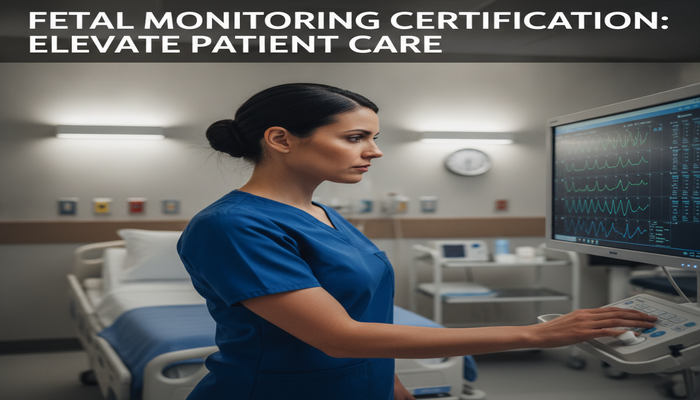
In the dynamic and critical field of maternal-fetal care, the ability to accurately interpret and respond to fetal monitoring data is paramount. This specialized skill directly impacts patient safety and neonatal outcomes, making advanced validation essential for healthcare professionals. This article delves into the profound significance of fetal monitoring certification, specifically focusing on the esteemed National Certification Corporation (NCC) Certification in Electronic Fetal Monitoring (C-EFM). Far more than just a credential, achieving your NCC Certified-Electronic Fetal Monitoring (C-EFM) status unlocks hidden value, elevating your expertise, enhancing career opportunities, and most importantly, affirming your commitment to the highest standards of perinatal care.
For nurses, obstetricians, midwives, and allied health professionals involved in labor and delivery, this certification represents a rigorous validation of knowledge and skill. It signifies a specialized competency in interpreting electronic fetal heart rate tracings and implementing appropriate interventions, ensuring the well-being of both mother and baby. Join us as we explore the journey to obtaining this vital certification, its comprehensive requirements, the preparation needed, and the tangible benefits it brings to your professional life and the lives you touch.
What is the NCC Certified-Electronic Fetal Monitoring (C-EFM)?
The National Certification Corporation (NCC) is a non-profit organization dedicated to improving the health of women, neonates, and their families through certification and education. Among its prestigious offerings, the comprehensive guide to the NCC C-EFM certification stands out as a crucial subspecialty certification. This credential, identified by the exam code C-EFM and sometimes referred to as Electronic Fetal Monitoring (EFM) certification, is designed to validate the knowledge and skills of healthcare professionals in the precise interpretation and application of electronic fetal monitoring.
Earning the NCC Certified-Electronic Fetal Monitoring (C-EFM) designation means you possess a verified level of expertise in a critical area of obstetric care. It demonstrates proficiency in understanding complex fetal physiology, recognizing various fetal heart rate patterns, identifying their causes, and initiating timely and effective interventions. This proactive approach is a practical affirmation of your capability to make life-saving decisions under pressure, directly influencing the safety and outcomes of laboring patients and their infants.
Specifically, the C-EFM is categorized as an "A - Clinical / Nursing / Allied Health" exam, making it relevant for a broad spectrum of professionals, including labor and delivery nurses, obstetric technicians, and other allied health professionals who routinely manage fetal monitoring. The rigorous nature of the exam ensures that only those with a deep understanding of electronic fetal monitoring requirements and practices achieve the certification, distinguishing them as highly skilled experts.
The Unseen Benefits of NCC C-EFM Certification
Achieving your fetal monitoring certification through the NCC C-EFM program provides a wealth of benefits that extend far beyond a mere resume enhancement. It's an investment in your professional growth, patient safety, and the overall quality of maternal-fetal healthcare, setting you apart as a leader in your field.
Enhanced Credibility and Professional Recognition
In a field where precision and expertise are non-negotiable, the NCC Certified-Electronic Fetal Monitoring (C-EFM) credential immediately distinguishes you as a highly qualified professional. It serves as an unequivocal validation of your specialized skills, commanding respect from peers, supervisors, and, most importantly, patients. This professional recognition can open doors to leadership roles, specialized units, and opportunities to mentor new staff, cementing your reputation as an expert in electronic fetal monitoring. It highlights your proactive approach to mastering complex clinical scenarios.
Improved Patient Safety and Outcomes
The core purpose of healthcare certifications like the C-EFM is to ensure the highest standards of patient care. By mastering the nuances of fetal monitoring, certified professionals are better equipped to identify subtle changes in fetal status, anticipate potential complications, and intervene promptly. This proactive approach significantly reduces risks, minimizes adverse events, and contributes directly to improved maternal and neonatal outcomes. The rigorous training and examination for NCC Certification in Electronic Fetal Monitoring equip practitioners with the advanced knowledge necessary to protect vulnerable lives, ensuring a safer delivery experience.
Career Advancement and Opportunities
Employers increasingly prioritize certified professionals due to their proven competence and commitment to ongoing learning. Holding an NCC C-EFM certification can be a significant differentiator in a competitive job market. It can lead to opportunities for career advancement, higher earning potential, and eligibility for specialized positions that demand advanced fetal monitoring expertise, such as perinatal nurse educators, clinical specialists, or charge nurses in labor and delivery units. For `labor and delivery nurse fetal monitoring certification` is particularly valued, often becoming a prerequisite for senior roles.
Commitment to Continuing Education and Excellence
The journey to obtaining `fetal monitoring certification` instills a culture of continuous learning and professional development. The detailed `NCC Certification in Electronic Fetal Monitoring study guide` and the comprehensive nature of the exam encourage a deep dive into the latest research, guidelines, and best practices. This commitment to excellence ensures that certified professionals remain at the forefront of perinatal care, constantly refining their skills and knowledge to adapt to evolving medical standards and technologies. The `fetal monitoring certification validity` period also necessitates ongoing education for renewal, ensuring your expertise remains current.
Demystifying NCC C-EFM Certification Eligibility and Requirements
Before embarking on your `NCC C-EFM exam preparation`, it's crucial to understand the eligibility criteria set by the National Certification Corporation. This ensures that candidates possess the foundational knowledge and clinical experience necessary to successfully tackle the challenges of the `electronic fetal monitoring exam for allied health professionals` and nurses alike, maintaining the high standards of the credential.
To be eligible for the NCC Certification in Electronic Fetal Monitoring (C-EFM), candidates must meet specific criteria, primarily focused on their professional background and current practice. While exact requirements can be found on the official NCC website, generally, candidates must be currently licensed registered nurses, physicians, or hold a relevant allied healthcare professional license. Furthermore, a certain amount of experience in the interpretation of electronic fetal monitoring tracings is typically required, often within the last 24 months. This experience ensures that candidates have practical exposure to the real-world scenarios tested on the exam, grounding theoretical knowledge in clinical reality.
It is important to verify your individual `NCC C-EFM certification eligibility` directly with the NCC to ensure you meet all current prerequisites before applying. This upfront verification will save time and ensure a smooth application process for your `fetal monitoring certification for nurses` or allied health role, setting the stage for a successful certification journey.
Your Blueprint for Success: NCC C-EFM Exam Preparation
Preparing for the NCC C-EFM exam is a rigorous but rewarding process. A structured approach, combining a thorough understanding of the syllabus with effective study strategies and quality resources, is key to success. This section outlines how to best approach your `NCC C-EFM exam preparation` to ensure you are well-equipped to pass the `NCC Certification in Electronic Fetal Monitoring exam` on your first attempt, validating your expertise.
Understanding the C-EFM Exam Syllabus
The NCC C-EFM exam is designed to assess competency across several critical domains of electronic fetal monitoring. A clear understanding of the syllabus is the first step in formulating an effective `NCC Certification in Electronic Fetal Monitoring study guide`. The exam focuses on the following key areas, each contributing to a comprehensive understanding of fetal well-being:
- Electronic Monitoring Equipment (5%): This section covers the fundamental principles of fetal monitoring equipment. Candidates must understand how various transducers work (e.g., ultrasound for FHR, tocodynamometer for uterine contractions), their proper placement, and troubleshooting common issues that may arise during use. Knowledge of internal monitoring methods like fetal scalp electrodes (FSE) and intrauterine pressure catheters (IUPC) is also vital, including their indications, contraindications, and potential complications. Understanding the limitations and artifacts associated with both external and internal monitoring is crucial for accurate interpretation, preventing misdiagnosis or delayed intervention.
- Physiology (12%): A strong grasp of maternal and fetal physiology is foundational to interpreting fetal heart rate (FHR) tracings accurately. This includes understanding the complex regulation of fetal heart rate by the autonomic nervous system, processes of fetal oxygenation and acid-base balance, mechanisms of fetal compensation during stress, and the significant impact of various maternal conditions (e.g., pre-eclampsia, diabetes, infection, fever) and medications on the fetus. Key concepts like uteroplacental insufficiency, umbilical cord compression, and fetal response to hypoxia are central to this domain, forming the basis for understanding FHR patterns.
- Pattern Recognition, Causes, and Intervention (70%): This is the largest and most critical section of the exam, emphasizing the practical application of EFM knowledge in clinical scenarios. Candidates must be proficient in recognizing and classifying all components of fetal heart rate tracings, including baseline rate, variability (absent, minimal, moderate, marked), accelerations, and decelerations (early, late, variable, prolonged, sinusoidal). Beyond mere recognition, understanding the underlying physiological causes of these patterns and, most importantly, initiating appropriate and timely interventions is paramount. This includes both non-pharmacological (e.g., maternal repositioning, intravenous hydration, oxygen administration) and pharmacological interventions, as well as clear communication and meticulous documentation strategies. This area also extensively covers the interpretation and management protocols for Category I, II, and III tracing classifications according to ACOG guidelines.
- Fetal Assessment Methods (8%): This section extends beyond continuous electronic monitoring to include other methods of fetal well-being assessment that complement EFM data. Topics include intermittent auscultation, fetal scalp stimulation, vibroacoustic stimulation, fetal oxygen saturation monitoring, and umbilical cord blood gas analysis. Understanding the indications, interpretations, and clinical implications of these various assessment methods in conjunction with EFM data is essential for a holistic and comprehensive approach to fetal evaluation, especially in indeterminate cases.
- Professional Issues (5%): This domain addresses the ethical, legal, and professional responsibilities associated with electronic fetal monitoring. It includes topics such as obtaining informed consent, maintaining rigorous documentation standards, fostering effective communication with the interdisciplinary team (physicians, midwives, anesthesiologists) and patients, understanding the chain of command, upholding professional accountability, and strict adherence to established guidelines and practice bulletins (e.g., ACOG, AWHONN). Understanding the medicolegal implications of EFM interpretation and intervention is also a key component, highlighting the importance of defensible practice.
Essential Study Materials for the NCC C-EFM
To prepare effectively for the NCC C-EFM, leveraging a variety of high-quality `best study materials for NCC C-EFM` is indispensable. The National Certification Corporation itself provides a list of recommended resources, and it is highly advisable to consult these authoritative texts to gain a comprehensive understanding of the exam content. Here are some of the key materials that should form the cornerstone of your `NCC C-EFM exam preparation` strategy, ensuring a well-rounded and in-depth review:
- ACOG, Management of intrapartum fetal heart rate tracings, Practice Bulletin, No. 116, American College of Obstetricians and Gynecologists, Obstetrics & Gynecology 2010 (Reaffirmed 2015); 116:1232–40: This practice bulletin provides critical, evidence-based guidance on the interpretation and management of intrapartum fetal heart rate tracings, directly aligning with a significant portion of the exam. It represents a foundational document for clinical practice.
- Resnik, et al., Creasy & Resnik's Maternal-Fetal Medicine Principles and Practice, Elsevier, 2023: A foundational text in maternal-fetal medicine, offering in-depth physiological principles and comprehensive coverage of obstetric practice. This book is essential for understanding the intricate underlying science and pathophysiology of electronic fetal monitoring.
- Cunningham, et al., Williams' Obstetrics, 26th ed. McGraw Hill, 2022: Widely regarded as the authoritative textbook in obstetrics, Williams' provides extensive coverage of all aspects of pregnancy and childbirth, including detailed sections on fetal surveillance, labor management, and potential complications relevant to EFM.
- Gabbe, et al., Obstetrics Normal and Problem Pregnancies, 7th Ed., Elsevier, 2024: This comprehensive text offers a balanced perspective on both normal and high-risk pregnancies, with valuable information on fetal assessment, identification of complications, and evidence-based interventions directly relevant to EFM interpretation and management.
- Lyndon, et al Fetal Heart Monitoring Principles and Practices, AWHONN, Kendall Hunt, 2021: Developed by the Association of Women's Health, Obstetric and Neonatal Nurses (AWHONN), this is a definitive resource specifically focused on fetal heart monitoring, covering principles, interpretation, and clinical application directly pertinent to the C-EFM exam content.
- Management of intrapartum fetal heart rate tracings. Practice Bulletin, No. 116. American College of Obstetricians and Gynecologists. Obstetrics & Gynecology 2010 (Reaffirmed 2015); 116:1232–40: (Repeated, underscoring its pivotal role for the exam.) This ACOG bulletin is central to understanding current national guidelines for FHR tracing interpretation and management, crucial for safe and defensible practice.
- Miller, et al., Mosby's Pocket Guide to Fetal Monitoring: A Multidisciplinary Approach, 8th ed., Mosby Elsevier, 2022: A practical and concise guide, ideal for quick reference and reinforcing key concepts in a multidisciplinary context. Its focused nature makes it an excellent tool for efficient review and self-assessment during study.
- NCC Monograph: Fetal Assessment and Safe Labor Management, Simpson, Kathleen, NCC, 2021: Authored by an NCC expert, this monograph offers a targeted review of fetal assessment and labor management principles. It directly aligns with the NCC's certification objectives, providing a tailored study resource for candidates.
- Simpson, et al., Perinatal Nursing, Wolters Kluwer/LWW, Philadelphia, 2021: A comprehensive text on perinatal nursing, covering a broad range of topics relevant to the care of women during pregnancy and childbirth, including detailed sections on various aspects of fetal monitoring and associated nursing care.
Effective Study Strategies and Practice
Beyond acquiring the right materials, how you engage with them dictates your success. Start by creating a detailed study schedule, allocating specific time slots for each syllabus area. Focus heavily on the "Pattern Recognition, Causes, and Intervention" section, as it comprises the largest percentage of the exam and requires extensive critical thinking and application.
Utilize flashcards for key terms, definitions, and physiological concepts. Active recall techniques, where you test yourself regularly without looking at notes, are highly effective for long-term retention. Consider forming a study group to discuss complex scenarios and challenge each other's interpretations of fetal heart rate tracings. This collaborative learning can solidify understanding and expose you to diverse clinical perspectives.
Crucially, integrate `NCC C-EFM practice questions` into your study routine from the outset. Practice exams simulate the actual testing environment, help you identify areas of weakness, and significantly improve your time management skills. Many reputable resources offer `online courses for electronic fetal monitoring certification` that include practice questions and simulated exams, providing valuable exposure to the question format and content. To delve deeper into a complete study guide for NCC C-EFM certification, explore specialized resources that break down complex topics into digestible modules.
Navigating the NCC C-EFM Examination Process
Once you've completed your `NCC C-EFM exam preparation`, understanding the practicalities of the examination itself is the next step. The NCC Certification in Electronic Fetal Monitoring (C-EFM) exam is meticulously structured to assess your competence fairly and accurately, reflecting real-world clinical demands.
The exam, identified by the code C-EFM, has a `Duration: 120 mins`, allowing ample time to thoughtfully answer all questions without undue haste. You will encounter `Number of Questions: 125`, which are divided into `100 Scored Items / 25 Pretest Items`. The pretest items are experimental questions that do not count towards your final score but are indistinguishable from scored items, so it is vital to treat every question with equal importance and consideration. The `Passing Score: Pass/fail (Approximately 72%)` threshold reflects the high standard expected of certified professionals in this critical area, ensuring true mastery.
The `Exam Price: $210`, which is composed of a $50 non-refundable application submission cost and a $160 testing fee. It's important to budget for this `cost of NCC Certification in Electronic Fetal Monitoring` as part of your overall professional development plan, recognizing it as an investment in your career. The application process typically involves submitting your credentials and meeting the eligibility criteria before you can schedule your exam. For precise, up-to-date details on the application process, available testing centers, and to review current exam guidelines, it's always best to visit the official NCC C-EFM exam details page.
Maintaining Your Expertise: Renewal and Validity
Achieving your NCC Certified-Electronic Fetal Monitoring (C-EFM) is a significant accomplishment, but the journey of professional excellence doesn't end there. To ensure that certified professionals maintain current knowledge and skills in this rapidly evolving field, the `fetal monitoring certification validity` is set for `3 Years`. This means continuous professional development is not just encouraged, but a mandatory requirement to retain your esteemed credential, guaranteeing ongoing competence.
The `National Certification Corporation (NCC) C-EFM renewal` process involves accruing continuing education (CE) credits relevant to the scope of electronic fetal monitoring. These credits can be earned through various activities such as attending professional conferences, participating in specialized online modules, engaging with peer-reviewed professional journals, or completing advanced courses. The NCC provides clear, comprehensive guidelines on the types and number of CE credits required for renewal, ensuring that your ongoing learning directly supports and enhances your expertise in `fetal monitoring certification for nurses` and allied health roles. This systematic approach to renewal upholds the integrity of the certification.
Staying abreast of the latest research, technological advancements, and shifts in clinical practice is paramount in maternal-fetal care. Regular renewal of your C-EFM certification demonstrates your unwavering commitment to delivering the highest standard of care and upholding the integrity of your specialized skills. It reassures employers and patients alike that your knowledge is current, your techniques are refined, and your practice is consistently evidence-based, leading to better patient outcomes.
Who Benefits Most from NCC C-EFM?
The NCC Certification in Electronic Fetal Monitoring (C-EFM) is a valuable asset for a wide range of healthcare professionals dedicated to maternal and neonatal well-being. Its acute focus on specialized clinical skills makes it particularly beneficial for those directly involved in labor and delivery settings, where precise EFM interpretation is critical.
Undoubtedly, `fetal monitoring certification for nurses`, especially those working in labor and delivery, postpartum, and neonatal units, forms a significant beneficiary group. A `labor and delivery nurse fetal monitoring certification` not only enhances their clinical judgment but also strengthens their role as crucial decision-makers during critical intrapartum periods. This advanced credential positions them as leaders in patient care, capable of providing expert interpretation and initiating appropriate and timely intervention, which is invaluable in high-stakes situations.
Beyond nursing, the `electronic fetal monitoring exam for allied health professionals` such as obstetric technicians, perinatology sonographers, and even some medical assistants working in high-risk obstetric clinics, can significantly elevate their professional standing. For any professional whose responsibilities involve interpreting fetal heart rate tracings or assisting in their management, the C-EFM certification provides a formal validation of their competency and dedication to specialized perinatal care. This is a field with growing opportunities, as evidenced by the broader healthcare career outlook, which increasingly values specialized credentials.
Ultimately, any healthcare provider involved in the care of pregnant individuals and their fetuses during the antepartum, intrapartum, or postpartum period, who desires to deepen their expertise and formally validate their skills in electronic fetal monitoring, will find immense value in pursuing the NCC C-EFM certification. It signifies a shared commitment to reducing obstetric complications and improving outcomes for every family, solidifying a professional's role in vital healthcare.
Conclusion
The NCC Certified-Electronic Fetal Monitoring (C-EFM) is more than just a certificate; it's a powerful testament to your specialized expertise, dedication to patient safety, and commitment to continuous professional growth within the critical realm of maternal-fetal healthcare. By understanding the `electronic fetal monitoring certification requirements`, diligently preparing with `NCC C-EFM practice questions` and comprehensive study materials, and successfully navigating the examination process, you unlock a hidden value that resonates throughout your career and in the lives of the mothers and babies you care for.
Earning this `fetal monitoring certification` equips you with the confidence and validated skills to make informed, timely decisions, contributing directly to positive perinatal outcomes. It enhances your professional credibility, expands your career opportunities, and solidifies your role as an invaluable asset to any healthcare team. If you're ready to elevate your practice and affirm your expertise in electronic fetal monitoring, now is the time to take the next step. To discover strategies to optimize your certification journey and ensure your success, explore all available resources that can further support your professional development.
Unlock your full potential and demonstrate your unparalleled commitment to excellence in perinatal care. Don't wait to validate your critical skills; register for your NCC C-EFM exam today and become part of an elite group of certified professionals making a profound difference every day, safeguarding the health of mothers and infants.
Frequently Asked Questions About NCC C-EFM Certification
1. What is the NCC Certified-Electronic Fetal Monitoring (C-EFM) certification?
The NCC Certified-Electronic Fetal Monitoring (C-EFM) is a subspecialty certification offered by the National Certification Corporation (NCC). It validates the advanced knowledge and skills of healthcare professionals, such as nurses and allied health practitioners, in the accurate interpretation of electronic fetal heart rate tracings and the implementation of appropriate interventions during labor and delivery to ensure optimal maternal and fetal outcomes.
2. Who is eligible to take the NCC C-EFM exam?
Eligibility for the NCC C-EFM exam typically requires candidates to be licensed registered nurses, physicians, or qualified allied health professionals. Additionally, candidates generally need to have a specified amount of recent clinical experience in interpreting electronic fetal monitoring, usually within the last 24 months. It is essential to consult the official NCC website for the most current and detailed eligibility requirements before applying.
3. How long is the NCC C-EFM certification valid, and what is the renewal process?
The NCC C-EFM certification has a validity period of 3 years. To renew the certification, professionals must complete a certain number of continuing education (CE) credits relevant to electronic fetal monitoring practice. The NCC provides specific guidelines on the required CE hours and acceptable activities to maintain the credential and ensure ongoing competency, ensuring your expertise remains current.
4. What is the cost of the NCC Certification in Electronic Fetal Monitoring?
The current exam price for the NCC Certification in Electronic Fetal Monitoring (C-EFM) is $210. This fee is comprised of a $50 non-refundable application submission cost and a $160 testing fee. Candidates should verify the latest fee structure directly on the NCC's official website, as prices are subject to change, before planning their application.
5. What are the key areas covered in the NCC C-EFM exam syllabus?
The NCC C-EFM exam syllabus is primarily focused on five key areas: Electronic Monitoring Equipment (5%), Physiology (12%), Pattern Recognition, Causes, and Intervention (70%), Fetal Assessment Methods (8%), and Professional Issues (5%). The largest portion of the exam is dedicated to pattern recognition, its underlying causes, and the appropriate clinical interventions based on fetal heart rate tracings, reflecting its critical importance in practice.


Comments
Post a Comment