The Hidden Time Trick for NCC C-RHI Exam Success
The journey to advanced certification in reproductive health is a significant step for nurses dedicated to elevating their expertise. Among these coveted credentials, the NCC C-RHI (Reproductive Health and Infertility) certification stands out as a hallmark of specialized knowledge and commitment. However, preparing for such a comprehensive exam can feel daunting, with a vast amount of material to cover and a limited timeframe. Many candidates find themselves overwhelmed, not by the complexity of the subjects, but by the sheer volume and the challenge of managing their study schedule effectively.
What if there was a way to not just manage your time, but to leverage a "hidden time trick" that optimizes your study efforts, reduces stress, and significantly boosts your chances of success on the NCC C-RHI exam? This isn't about magical shortcuts, but rather a strategic approach to time allocation and resource utilization that most candidates overlook. In this extensive guide, we will unpack this powerful methodology, providing you with a clear, actionable roadmap to conquer the NCC C-RHI certification with confidence. Prepare to transform your study habits and achieve the professional recognition you deserve.
Unveiling the NCC C-RHI Certification
Before we dive into the intricacies of study strategy, it's crucial to understand the significance of the NCC C-RHI certification itself. This specialized credential from the National Certification Corporation (NCC) validates your expertise in reproductive health and infertility, a field that demands precise knowledge and compassionate care. Earning this certification signifies a high level of competence, distinguishing you as a leader in this vital area of nursing practice. The benefits of NCC C-RHI certification extend beyond personal achievement, enhancing patient outcomes and elevating the standard of care in reproductive health settings. It opens doors to new career opportunities, validates specialized skills, and often leads to increased professional respect and earning potential.
The NCC Reproductive Health and Infertility exam is designed for licensed registered nurses (RNs) who specialize in this area, demonstrating their proficiency across a broad spectrum of topics. To be eligible for the exam, candidates must meet specific NCC C-RHI certification requirements, typically involving a combination of clinical experience hours in reproductive health and infertility and a current, active, unencumbered RN license. Detailed eligibility criteria can always be found on the official NCC website.
Understanding the full scope of what is NCC C-RHI certification involves recognizing its impact on both individual practitioners and the wider healthcare community. It's an investment in your professional future and a commitment to excellence. For those ready to take this step, exploring comprehensive study resources is key. You can find more detailed information and preparation materials tailored to your success at NCC C-RHI exam preparation.
Decoding the NCC C-RHI Exam: Structure and Cost
To effectively implement our "hidden time trick," a thorough understanding of the NCC C-RHI exam format is essential. Knowing the structure, duration, and scoring mechanism allows you to tailor your study plan and practice strategies to the actual testing environment. The NCC C-RHI exam consists of 125 questions, with 100 of these being scored items and 25 pretest items that do not count towards your final score. Candidates are allotted 120 minutes (2 hours) to complete the exam, which translates to roughly 57 seconds per question. This pacing is critical and often underestimated.
The exam is scored on a pass/fail basis, with a passing score typically around 72%. While NCC does not publish an exact NCC C-RHI pass rate, successful candidates are those who demonstrate a robust understanding across all tested domains. The financial investment for this certification is also an important consideration: the NCC C-RHI certification cost is $210. This fee is composed of a $50 non-refundable application submission cost and a $160 testing fee. Being aware of these details helps in planning not just your study time but also your overall commitment to the certification.
Gaining insight into the official guidelines and candidate handbook is invaluable for aspiring certificants. The NCC provides a comprehensive guide detailing everything from eligibility to exam day procedures. You can review the official information directly from the source to ensure you meet all requirements and understand the process fully. For precise and up-to-date information, including the candidate guide, visit the official NCC C-RHI certification page.
Syllabus Deep Dive: What to Expect
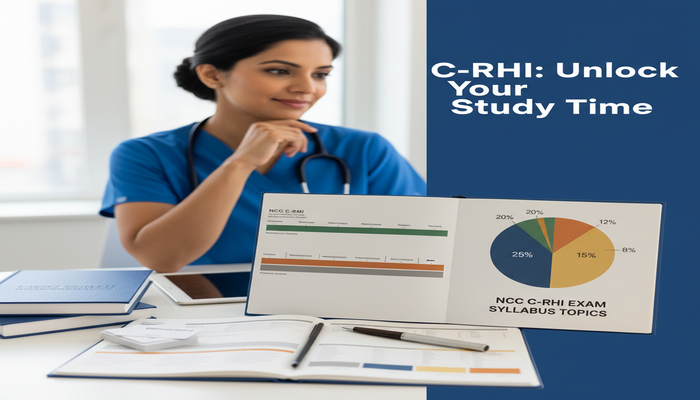
The NCC Reproductive Health and Infertility exam content covers a wide array of topics, reflecting the multidisciplinary nature of this specialty. Our "hidden time trick" hinges on understanding these topics and their respective weights to prioritize your study efforts. The NCC C-RHI exam topics are structured into five main domains, each contributing a specific percentage to the overall exam:
- General Assessment, Reproductive Anatomy, and Physiology - 20%
- Pathophysiology, Evaluation, and Diagnosis of Reproductive Health Disorders - 25%
- Non-Assisted Reproductive Technologies (non-ART) Treatment and Complications - 12%
- Assisted Reproductive Technologies (ART) Treatment and Complications - 24%
- Reproductive Health Treatment and Complications - 19%
Let's break down each area to understand the depth of knowledge required:
General Assessment, Reproductive Anatomy, and Physiology (20%)
This foundational section sets the stage, ensuring you have a solid grasp of the basics. It includes understanding normal reproductive anatomy in both males and females, the intricate hormonal cycles, genetics pertinent to reproduction, and initial patient assessment techniques. Your study here should focus on core biological processes and how to gather comprehensive health histories relevant to reproductive health. Understanding normal function is critical for later identifying dysfunction and forms the bedrock for advanced topics. Key concepts like the hypothalamic-pituitary-gonadal axis, ovarian and uterine cycles, spermatogenesis, and early embryonic development are central to this domain.
Pathophysiology, Evaluation, and Diagnosis of Reproductive Health Disorders (25%)
This is the largest single section of the exam, emphasizing your ability to understand disease processes and diagnostic approaches. It covers a vast spectrum of conditions affecting fertility and reproductive health. For instance, in female infertility, you'll need a deep understanding of ovulatory dysfunction (e.g., Polycystic Ovary Syndrome – PCOS, hypothalamic amenorrhea), tubal factor infertility (e.g., hydrosalpinx, adhesions from PID), uterine factors (e.g., fibroids, polyps, Asherman's syndrome, congenital anomalies), and peritoneal factors (e.g., endometriosis). Knowledge of diagnostic tools like transvaginal ultrasound, hysterosalpingography (HSG), sonohysterography (SHG), hysteroscopy, and laparoscopy, along with their findings and interpretations, is crucial. For male infertility, topics include issues with sperm production (oligozoospermia, azoospermia), sperm transport, and erectile or ejaculatory dysfunction. Diagnostic procedures such as semen analysis, hormonal assays, and genetic testing (e.g., karyotyping, Y chromosome microdeletion testing) are vital. Beyond infertility, this section also encompasses recurrent pregnancy loss, exploring causes like genetic abnormalities, antiphospholipid syndrome, anatomical issues, and endocrine disorders. You'll also encounter questions related to gynecological conditions such as abnormal uterine bleeding, fibroids, endometriosis, and adenomyosis, understanding their pathology, symptoms, and initial diagnostic workup. Furthermore, sexual health disorders and infectious diseases impacting fertility (e.g., Chlamydia, Gonorrhea) will be tested, requiring knowledge of screening, diagnosis, and treatment implications. This section demands a strong clinical reasoning ability and detailed knowledge of specific conditions and their diagnostic algorithms.
Non-Assisted Reproductive Technologies (non-ART) Treatment and Complications (12%)
While a smaller percentage, this area covers essential interventions that don't involve the complex lab procedures of ART. This includes a range of medical and surgical approaches. For ovulation induction, you'll need to know about oral medications like clomiphene citrate and letrozole, understanding their mechanisms of action, patient selection, dosing protocols, monitoring strategies (e.g., ultrasound, serum estradiol), and potential side effects such as multiple gestations or ovarian hyperstimulation syndrome (OHSS). Intrauterine insemination (IUI) procedures, including candidate selection, semen preparation, timing relative to ovulation, and success rates, are also key. Understanding its role, benefits, and limitations is vital. Surgical corrections play a significant role, encompassing procedures like laparoscopy for the diagnosis and treatment of endometriosis, adhesiolysis, or tubal repair. Hysteroscopy might be used for removing uterine polyps, fibroids, or correcting uterine septa. You should be familiar with the indications for these surgeries, pre- and post-operative care, and potential complications like infection, bleeding, or anesthetic risks. Additionally, medical management of specific conditions such as hyperprolactinemia, thyroid disorders, or diabetes that impact fertility will be tested. Focus on indications, contraindications, common protocols, and potential complications associated with these less invasive treatments.
Assisted Reproductive Technologies (ART) Treatment and Complications (24%)
This substantial section delves into the most advanced fertility treatments, representing a significant portion of the exam. Key topics include the entire in vitro fertilization (IVF) cycle, from controlled ovarian hyperstimulation (COH) with gonadotropins, monitoring follicle growth and endometrial development, to precise timing of egg retrieval. You'll need to understand different stimulation protocols (e.g., agonist vs. antagonist), the role of various medications (e.g., hCG, progesterone), and the meticulous process of egg retrieval. Post-retrieval, knowledge extends to fertilization methods like conventional IVF and intracytoplasmic sperm injection (ICSI), including their indications and procedural differences. Embryo development, grading, and factors influencing embryo selection are important. The process of embryo transfer, including optimal timing (day 3 vs. day 5 blastocyst transfer), technique, and post-transfer care, is critical. Preimplantation genetic testing (PGT), including PGT-A (aneuploidy), PGT-M (monogenic disorders), and PGT-SR (structural rearrangements), its indications, limitations, and ethical considerations, is a frequently tested area. Understanding cryopreservation techniques for eggs, sperm, and embryos, as well as the protocols for frozen embryo transfer (FET) cycles, is also essential. The use of donor gametes (sperm, egg) and embryos, including screening, legal, and ethical implications, falls under this domain. You'll need to understand the nuances of each procedure, patient selection, medication protocols, monitoring, and the extensive list of potential complications, such as Ovarian Hyperstimulation Syndrome (OHSS) – its grading, prevention, and management, ectopic pregnancy, multiple gestations, and psychological distress. This area often requires memorization of specific protocols and a deep understanding of embryology basics and the laboratory aspects of ART.
Reproductive Health Treatment and Complications (19%)
This final domain covers broader aspects of reproductive care beyond fertility treatments, encompassing a holistic view of patient well-being. Topics include comprehensive contraception counseling, where you'll need to be proficient in the efficacy, risks, benefits, and appropriate candidates for various methods (e.g., oral contraceptives, IUDs, implants, injectables, barrier methods, permanent sterilization). Understanding the management of early pregnancy complications is crucial, including the diagnosis and management of miscarriage (spontaneous abortion), threatened abortion, and ectopic pregnancy, as well as gestational trophoblastic disease. Adolescent reproductive health covers age-appropriate counseling, contraception, STI prevention and treatment, and mental health support for young individuals. Menopause management requires knowledge of perimenopause and menopause symptoms, hormone replacement therapy (HRT) – its indications, contraindications, risks, and benefits – and non-hormonal alternatives, as well as bone health and cardiovascular considerations. Sexually transmitted infections (STIs), their screening, diagnosis, treatment, and counseling for prevention, are also significant. Furthermore, this section emphasizes ethical considerations in reproductive medicine, such as those related to embryo disposition, genetic screening, and third-party reproduction. Patient education, psychological support, and effective communication skills are interwoven throughout these topics, highlighting the nurse's role in providing comprehensive and compassionate care to individuals and couples navigating complex reproductive health decisions.
The Hidden Time Trick Revealed: Strategic Study Allocation
Now, for the core of our strategy—the "hidden time trick" for NCC C-RHI exam success. This isn't about finding more hours in the day; it's about making every hour count. The trick lies in allocating your study time proportionally to the syllabus weights, combined with an intelligent use of active recall and spaced repetition. Instead of simply studying chronologically or focusing on areas you already know, you'll strategically invest your limited time where it will yield the greatest return.
Step 1: Map Your Time to the Syllabus
Look at the syllabus percentages again. Your 25% section (Pathophysiology, Evaluation, and Diagnosis) should receive approximately 25% of your total study time, and your 12% section (non-ART Treatments) should receive 12%. This seems obvious, yet many candidates spend equal time on all topics, or worse, disproportionately on easier ones. This means if you have 200 hours to study, you'll dedicate:
- 40 hours (20%) to General Assessment, Reproductive Anatomy, and Physiology
- 50 hours (25%) to Pathophysiology, Evaluation, and Diagnosis of Reproductive Health Disorders
- 24 hours (12%) to Non-Assisted Reproductive Technologies (non-ART) Treatment and Complications
- 48 hours (24%) to Assisted Reproductive Technologies (ART) Treatment and Complications
- 38 hours (19%) to Reproductive Health Treatment and Complications
This structured approach ensures you're dedicating sufficient attention to the high-yield areas that will contribute most significantly to your pass rate. This method helps to prepare for the NCC Reproductive Health and Infertility exam content in a balanced yet targeted manner.
Step 2: Implement Active Recall and Spaced Repetition
Once your time is allocated, how you use that time is paramount. Active recall means actively retrieving information from your memory rather than passively rereading. Techniques include:
- Flashcards: Digital or physical, test yourself constantly on key terms, definitions, and concepts.
- Practice Questions: Attempt NCC C-RHI practice questions frequently, treating each one as a mini-quiz to identify knowledge gaps.
- Self-Quizzing: After reading a section, close your book and try to explain the concept aloud or write down everything you remember. This forces your brain to retrieve information.
- Teaching Others: Explaining a concept to a study partner or even a non-medical friend solidifies your understanding and highlights areas where your grasp is weak.
Spaced repetition involves reviewing material at increasing intervals. Instead of cramming, you revisit topics right before you're about to forget them. Apps like Anki can automate this, but even manually scheduling reviews of "Pathophysiology" content every few days, then weekly, then bi-weekly, will drastically improve long-term retention. This is one of the most effective tips to pass NCC C-RHI exam, as it moves information from short-term to long-term memory.
Step 3: Create a Realistic and Flexible Study Schedule
Using the percentage breakdown, create a weekly or daily schedule. Be realistic about your commitments and energy levels. Integrate short, focused study blocks (e.g., 30-60 minutes) followed by breaks. Flexibility is key; life happens, so build in buffer time to accommodate unforeseen events without derailing your entire plan. Regularly review your progress and adjust your schedule as needed based on your performance on practice tests and your evolving understanding. Remember, consistency beats intensity. Engaging with your study material consistently will cement concepts over time.
This strategic framework empowers you to approach your NCC C-RHI study guide and other materials with a purpose, ensuring that no study session is wasted. You're not just reading; you're actively learning and optimizing your memory for exam day. For additional strategies on boosting your focus and optimizing your study environment, consider exploring resources on cultivating a mindful approach to learning, which can be found at nurturing your learning spirit.
Mastering Your Resources: Study Guides, Practice Questions, and Review Courses
While the "hidden time trick" optimizes your approach, the quality of your study materials is equally critical. To truly excel, you need the best NCC C-RHI study materials available. A comprehensive NCC C-RHI study guide is your foundational text, but it's only one piece of the puzzle. Supplementing it with varied resources will provide a well-rounded preparation.
Utilizing Study Guides Effectively
A good study guide should break down the NCC Reproductive Health and Infertility exam topics into digestible sections, often providing summaries, key terms, and learning objectives. Don't just read it cover-to-cover. Instead:
- Skim and Outline: Get a high-level view of each chapter or section before diving deep. This helps in understanding the context.
- Active Reading: Highlight, annotate, and summarize in your own words. Create diagrams or flowcharts to visualize complex processes.
- Cross-Reference: Compare information across different sources if concepts are unclear. Sometimes, a different explanation can make all the difference.
- Focus on Application: Think about how the information would apply in a clinical scenario. The C-RHI exam tests clinical judgment, not just rote memorization.
The Power of Practice Questions and Online Tests
NCC C-RHI practice questions are indispensable. They not only test your knowledge but also familiarize you with the exam's question style and format. Look for questions that mimic the difficulty and structure of the actual exam. When using practice questions:
- Timed Sessions: Practice under timed conditions to improve your pacing. This is crucial given the tight time limit of the exam.
- Review Explanations: Don't just see if you got it right or wrong. Understand why the correct answer is correct and why the incorrect ones are wrong. This is where significant learning occurs.
- Identify Weak Areas: Use your performance on practice tests to pinpoint topics where you need further study. This directs your focused review.
Many providers offer an NCC C-RHI online practice test, which can simulate the actual exam experience closely, including the computer interface. Regularly taking NCC C-RHI sample exam questions will build your confidence and refine your test-taking skills.
Benefits of an NCC C-RHI Review Course
For many, an NCC C-RHI review course offers structured learning and expert guidance. These courses often provide:
- Comprehensive Content Review: Covering all NCC C-RHI exam topics systematically, often with experienced instructors.
- Test-Taking Strategies: Insights into how to approach different question types, manage time, and navigate tricky scenarios.
- Access to Instructors: Opportunities to ask questions, clarify difficult concepts, and get personalized advice.
- Peer Interaction: A chance to learn from and motivate fellow candidates, fostering a supportive community.
Whether self-study or a structured course, combining various learning modalities strengthens your preparation significantly. Engaging with a community of peers, such as those found on nursing subreddits, can also provide valuable tips and shared experiences from those who have walked a similar path.
Crafting Your NCC C-RHI Preparation Pathway
Beyond the "hidden time trick" and resource selection, effective NCC C-RHI preparation involves holistic strategies that support your well-being and cognitive function. How to prepare for NCC C-RHI exam isn't just about what you study, but also how you study and live during this intense period.
Establish a Consistent Study Environment
Designate a specific, quiet space for your studies. Ensure it's free from distractions, well-lit, and comfortable. A consistent environment signals to your brain that it's time to focus, improving your concentration and productivity. Clear your workspace of clutter, and minimize interruptions from your phone or family members during dedicated study blocks.
Prioritize Self-Care
Burnout is a real threat during intense study periods. Integrate self-care into your routine:
- Adequate Sleep: Aim for 7-9 hours per night. Sleep is crucial for memory consolidation and cognitive function.
- Healthy Diet: Fuel your brain with nutritious foods. Avoid excessive sugar and caffeine crashes that can lead to fatigue and poor concentration.
- Regular Exercise: Physical activity reduces stress, improves mood, and enhances cognitive function by boosting blood flow to the brain.
- Scheduled Breaks: Step away from your materials. Engage in hobbies, spend time with loved ones, or simply relax. Short, frequent breaks are more effective than prolonged, uninterrupted study.
Form a Study Group (Optional but Recommended)
Collaborating with others can reinforce learning, expose you to different perspectives, and provide accountability. Discussing NCC Reproductive Health and Infertility exam topics with peers can highlight areas you might have overlooked and clarify complex concepts. Just ensure your group stays focused and productive, setting clear agendas for each session.
Practice Clinical Application
The C-RHI exam is designed to test your clinical judgment. As you study, constantly ask yourself: "How would this information apply in a real-world scenario?" Envision patient interactions, diagnostic pathways, and treatment decisions. This approach makes the information more relevant and memorable, bridging the gap between theoretical knowledge and practical application.
Your journey to certification is a marathon, not a sprint. Maintaining a balanced approach to study and self-care will ensure you cross the finish line feeling prepared and confident, ready to elevate your expertise. Many professionals share their experiences and advice on platforms like LinkedIn, detailing their C-RHI journey and the impact it has had on their careers.
Exam Day Readiness: Navigating the C-RHI Test
All your hard work culminates on exam day. Having a plan for the actual test experience can significantly reduce anxiety and help you perform at your best. Here are some critical tips to pass NCC C-RHI exam when it matters most:
The Day Before the Exam
- Rest, Don't Cram: A good night's sleep is far more beneficial than last-minute cramming. Your brain needs to consolidate information.
- Organize Everything: Confirm your testing center location, gather required identification, and plan your travel route. Pack a small bag with approved snacks and water for your break.
- Light Review: If you must, a very light review of high-level concepts or flashcards is acceptable, but avoid deep dives into new or complex material.
- Positive Mindset: Remind yourself of all the effort you've put in and believe in your preparation. Visualization of success can be a powerful tool.
On Exam Day
- Arrive Early: Account for traffic or unexpected delays. Being rushed will only increase stress. Aim to be at the center at least 15-30 minutes before your scheduled time.
- Dress Comfortably: Wear layers, as testing center temperatures can vary. Your comfort should not be a distraction.
- Read Instructions Carefully: Understand the computer interface, navigation tools, and any specific rules before starting the exam.
- Manage Your Time Strategically: Remember the 120 minutes for 125 questions. Don't dwell too long on a single question. If you're stuck, make your best guess, mark it for review if the system allows, and move on. You can always come back if time permits.
- Process of Elimination: For multiple-choice questions, eliminate obviously incorrect answers first to increase your odds of selecting the correct one. Sometimes, two answers might seem plausible, requiring careful re-reading of the question.
- Take Scheduled Breaks: If allowed, use the breaks to stretch, clear your head, and refuel. A short mental reset can significantly improve focus for the remainder of the exam.
- Stay Calm: If you encounter a difficult section or a series of challenging questions, take a deep breath. Trust your preparation and move through the questions systematically. Panicking will only hinder your performance.
Your mental state on exam day is as important as your knowledge base. By following these strategies, you ensure that you are in the optimal condition to demonstrate your mastery of NCC Reproductive Health and Infertility exam content.
Beyond Certification: Continuous Growth in Reproductive Health
Achieving the NCC C-RHI certification is a monumental accomplishment, but it's also a stepping stone. The field of reproductive health and infertility is dynamic, with new research, technologies, and treatment protocols emerging regularly. Maintaining your expertise and staying current is not just a professional responsibility but a commitment to your patients. The NCC C-RHI certification requires ongoing continuing education (CE) credits for re-certification, ensuring that certified nurses remain at the forefront of the specialty.
Embrace lifelong learning by:
- Attending Conferences and Workshops: Engage with experts and peers, learn about new advancements, and network within the specialty.
- Reading Peer-Reviewed Journals: Stay informed about the latest research, clinical trials, and evidence-based practices in reproductive health.
- Participating in Professional Organizations: Join and contribute to organizations dedicated to reproductive health nursing. This offers opportunities for networking, advocacy, and leadership.
- Mentoring Others: Sharing your knowledge not only helps new professionals but also reinforces your own understanding and critical thinking skills.
The C-RHI credential signifies your dedication to excellence in reproductive health. Continue to build upon this foundation, impacting patient lives and shaping the future of fertility care. The journey of professional development is continuous, and finding ways to nurture your intellectual and professional growth is key to a fulfilling career.
1. What are the main benefits of NCC C-RHI certification?
The NCC C-RHI certification offers numerous benefits, including enhanced professional credibility, recognition as a specialist in reproductive health and infertility, improved career opportunities, potential for higher earning potential, and the satisfaction of validating your expert knowledge and commitment to patient care in this complex field.
2. How long is the NCC C-RHI exam, and how many questions does it have?
The NCC C-RHI exam has a duration of 120 minutes (2 hours) and consists of 125 multiple-choice questions. Out of these, 100 questions are scored, while 25 are pretest items that do not contribute to your final score but are used for future exam development.
3. What is the approximate NCC C-RHI passing score?
The NCC C-RHI exam is graded on a pass/fail basis. While the exact raw score needed to pass can vary slightly due to statistical adjustments, candidates generally need to answer approximately 72% of the scored questions correctly to achieve a passing outcome.
4. What are the best NCC C-RHI study materials to use for preparation?
Effective preparation for the NCC C-RHI exam typically involves a combination of materials, including a comprehensive NCC C-RHI study guide, dedicated NCC C-RHI practice questions, reputable NCC C-RHI review course materials, and the official NCC candidate guide. Utilizing an NCC C-RHI online practice test can also simulate exam conditions and identify areas for improvement.
5. How much does the NCC C-RHI certification cost?
The total cost for the NCC C-RHI certification exam is $210. This amount comprises a $50 non-refundable application submission fee and an additional $160 testing fee. It's important to budget for both components when planning your certification journey.
The path to NCC C-RHI certification is demanding, but with the right strategy, it is entirely achievable. By implementing the "hidden time trick" – strategically allocating your study hours based on syllabus weighting, embracing active recall, and incorporating spaced repetition – you can transform your preparation from overwhelming to organized and effective. Combine this intelligent time management with the best NCC C-RHI study materials, a robust self-care routine, and strategic exam-day tactics, and you'll be well-equipped for success.
Your expertise in reproductive health and infertility is invaluable, and achieving this certification will validate your specialized skills, opening new avenues for your professional growth. Don't let time management be your biggest obstacle. Embrace these productivity-focused strategies, commit to your learning, and step confidently towards earning your NCC C-RHI credential. Ready to dive deeper into focused study techniques that can further enhance your exam readiness? Visit Nurturing Spirits for study inspiration and advanced learning tips.


Comments
Post a Comment