Discover why RNC-LRN holders lead in neonatal care
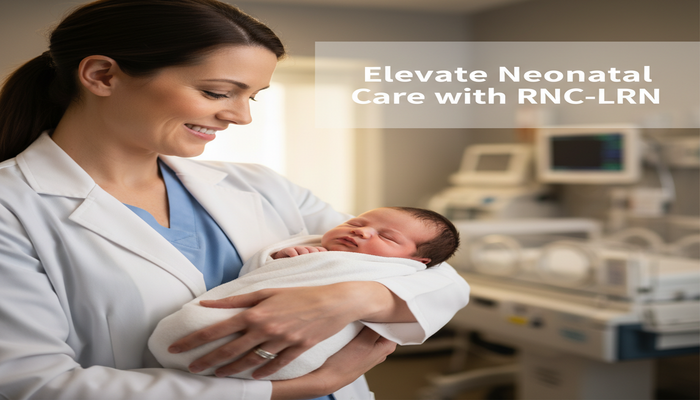
In the demanding and deeply rewarding field of neonatal care, standing out means demonstrating an unparalleled commitment to excellence and specialized expertise. For nurses dedicated to the delicate journey of low-risk neonates, the RNC-LRN certification from the National Certification Corporation (NCC) is not just a credential; it's a beacon of distinction. This certification signifies a nurse's advanced knowledge and skill in Low Risk Neonatal Intensive Care Nursing, ensuring the highest standards of care for our most vulnerable patients.
Becoming an RNC-LRN holder places you among an elite group of professionals who are recognized for their specialized capabilities. It opens doors to enhanced career opportunities, greater professional recognition, and, most importantly, the profound satisfaction of knowing you are providing the best possible care. If you are a passionate neonatal nurse looking to elevate your practice and secure your position as a leader in this vital specialty, understanding the journey to RNC-LRN certification is your next crucial step. Join us as we explore the immense benefits, rigorous preparation, and inspiring impact of achieving this prestigious NCC certification.
Why RNC-LRN Certification Matters in Neonatal Care
The landscape of healthcare is constantly evolving, with an increasing emphasis on specialized knowledge and evidence-based practice. For nurses working with low-risk neonates, the RNC-LRN certification addresses this need directly. It validates a specific skill set, ensuring that certified nurses possess the comprehensive understanding required to manage the unique challenges presented by this patient population.
Enhanced Expertise and Patient Outcomes
Achieving the RNC-LRN credential means mastering a broad spectrum of topics critical to low-risk neonatal care. This deep dive into the subject matter sharpens clinical judgment, improves decision-making, and ultimately leads to better patient outcomes. RNC-LRN holders are equipped with the most current knowledge in areas such as infant assessment, physiological adaptation, feeding strategies, and family support, contributing significantly to the health and well-being of newborns.
Career Advancement and Recognition
For many healthcare systems, specialized certifications like the RNC-LRN are highly valued. Holding this credential can be a powerful catalyst for career advancement, opening opportunities for leadership roles, specialized unit assignments, and even educational positions. It signals to employers, colleagues, and families that you are not only competent but also a committed expert in Low Risk Neonatal Intensive Care Nursing. This recognition can translate into increased professional respect and influence within your organization and the broader nursing community.
Commitment to Excellence
Pursuing and earning the RNC-LRN certification demonstrates a profound personal and professional commitment to excellence. It shows initiative, a dedication to lifelong learning, and a desire to contribute at the highest level to the field of neonatal nursing. This commitment not only benefits your patients but also inspires those around you, fostering a culture of continuous improvement and superior patient care.
Decoding the NCC RNC-LRN Certification
Understanding the specific details of the RNC-LRN certification is crucial for any nurse contemplating this valuable step. The NCC RNC-LRN exam is meticulously designed to assess the specialized knowledge required for low-risk neonatal care.
What is RNC-LRN Certification?
The RNC-LRN certification, officially known as the RNC Certification in Low Risk Neonatal Intensive Care Nursing, is a nationally recognized credential offered by the National Certification Corporation (NCC). It is specifically designed for registered nurses who provide care to low-risk neonates in settings such as well-baby nurseries, Level I and II neonatal intensive care units, and other specialized maternal-newborn areas. This certification validates a nurse's expertise in assessing, planning, implementing, and evaluating care for stable, but often complex, newborn infants.
Eligibility for NCC RNC-LRN
To be eligible for NCC RNC-LRN certification, candidates must meet specific requirements set by the NCC. Generally, this includes holding a current, active, and unrestricted Registered Nurse (RN) license in the United States or Canada. Additionally, candidates must have accrued a minimum number of hours of direct patient care experience in the specialty. It is vital to consult the official NCC RNC-LRN exam details to confirm the most up-to-date eligibility criteria before applying. These requirements ensure that candidates possess practical experience alongside theoretical knowledge.
NCC RNC-LRN Certification Requirements
Beyond the fundamental eligibility, there are specific NCC RNC-LRN certification requirements that must be satisfied. These typically involve demonstrating a certain amount of experience in the Low Risk Neonatal Intensive Care Nursing specialty. The NCC provides clear guidelines on what constitutes eligible experience, often defined by the number of hours worked in the past two to five years in an appropriate clinical setting. Meeting these stringent requirements ensures that only highly qualified and experienced nurses pursue this specialized credential, solidifying its value and integrity.
Navigating the RNC-LRN Exam
The RNC-LRN exam is a rigorous test designed to challenge and validate your expertise. Familiarity with its structure and content is a significant advantage. For a comprehensive RNC-LRN certification resource, including essential study materials, you can explore options like those provided at medicoexam.com.
NCC RNC-LRN Exam Syllabus / Low Risk Neonatal Intensive Care Nursing Exam Topics
The NCC RNC-LRN exam syllabus is comprehensive, covering a wide range of subjects essential for low-risk neonatal care. Key areas include neonatal assessment, physiological systems (cardiac, respiratory, gastrointestinal, neurological), common neonatal conditions, pharmacological interventions, nutritional support, developmental care, infection control, and professional practice issues. Understanding these Low Risk Neonatal Intensive Care Nursing exam topics is the first step toward effective preparation.
RNC-LRN Exam Content Outline
The RNC-LRN exam content outline further breaks down the syllabus into specific domains and sub-domains, indicating the approximate percentage of questions dedicated to each area. This outline is an invaluable tool for study planning, allowing candidates to prioritize their focus based on the exam's weighting. Typically, a significant portion of the exam focuses on physiological assessment and management, while other areas like professional issues and ethical considerations also hold weight.
NCC RNC-LRN Exam Format
The NCC RNC-LRN exam format consists of multiple-choice questions administered via computer-based testing. Candidates are given a specific amount of time to complete the exam. Familiarity with the computerized format and question types is beneficial. The NCC provides detailed information regarding the number of questions, time limits, and scoring methodology, which are crucial for test-day readiness.
RNC-LRN Exam Cost
The RNC-LRN exam cost is an important consideration for candidates. The fees cover the application process, examination administration, and the awarding of the certification. It's advisable to check the official NCC website for the most current fee schedule, as these can vary. Some employers or professional organizations may offer reimbursement or financial assistance for certification exams, so it's worth exploring these options.
Your Path to Success: Preparation Strategies
Success on the RNC-LRN exam requires a structured and dedicated approach to preparation. Leveraging the right resources and strategies can significantly boost your confidence and performance.
How to Prepare for RNC-LRN Exam
Effective preparation for the RNC-LRN exam involves a multi-faceted approach. Start by thoroughly reviewing the NCC content outline and identifying areas where you need to strengthen your knowledge. Develop a study schedule that allocates sufficient time to each topic. Integrating various learning methods, such as reading, practice questions, and review courses, can enhance retention and understanding.
RNC Certification in Low Risk Neonatal Intensive Care Nursing Study Guide
A high-quality RNC Certification in Low Risk Neonatal Intensive Care Nursing study guide is an indispensable tool. Look for guides that are specifically tailored to the NCC RNC-LRN exam content outline, offering comprehensive coverage of all tested areas. These guides often include practice questions, rationales for correct answers, and strategies for tackling different question types. Such resources can help streamline your study efforts and focus on what truly matters.
Best RNC Certification in Low Risk Neonatal Intensive Care Nursing Study Materials
Beyond study guides, consider a range of the best RNC Certification in Low Risk Neonatal Intensive Care Nursing study materials. This might include reputable textbooks on neonatal nursing, peer-reviewed journal articles, and online educational modules. Joining study groups can also provide valuable insights and peer support. For a detailed RNC-LRN exam guide and FAQs, exploring resources like MedicoExam's RNC-LRN guide can be incredibly helpful in understanding the exam process.
NCC RNC-LRN Review Course
Enrolling in an NCC RNC-LRN review course can provide a structured learning environment, often led by experienced instructors who are experts in neonatal care and the RNC-LRN exam. These courses typically offer intensive reviews of key topics, test-taking strategies, and opportunities for interactive learning. Many candidates find review courses invaluable for consolidating their knowledge and boosting their confidence.
NCC RNC-LRN Practice Questions
Regularly engaging with NCC RNC-LRN practice questions is critical for exam success. Practice questions not only help you assess your understanding of the material but also familiarize you with the format and style of the actual exam. They can reveal areas of weakness, allowing you to fine-tune your study plan. Aim to complete numerous practice questions under timed conditions to simulate the real exam environment.
RNC-LRN Exam Tips
Beyond content knowledge, effective RNC-LRN exam tips can significantly improve your performance. These include managing your time wisely during the exam, carefully reading each question and all answer choices, eliminating obviously incorrect options, and trusting your instincts. On the day of the exam, ensure you are well-rested, nourished, and arrive early to minimize stress. Remember, mental preparation is just as important as academic preparation. For further guidance on general NCC certification, you might find essential insights into NCC certifications helpful in preparing your mindset.
The Transformative Benefits of RNC-LRN
Earning your RNC-LRN certification is more than just passing an exam; it's an investment in your future and the future of neonatal care.
Professional Credibility
The RNC-LRN credential instantly elevates your professional credibility. It serves as an objective verification of your advanced knowledge and specialized skills in Low Risk Neonatal Intensive Care Nursing. This credibility can open doors to new roles, increase your influence in clinical decision-making, and position you as a respected expert within your team and institution.
Impact on Neonatal Care
Certified RNC-LRN nurses are at the forefront of delivering high-quality, evidence-based care to low-risk neonates. Their enhanced expertise contributes directly to improved patient safety, better developmental outcomes, and stronger family support. This certification empowers nurses to advocate for best practices and innovate within their specialty, making a tangible difference in the lives of vulnerable infants and their families.
Neonatal Intensive Care Nursing Certification Salary
While the primary motivation for certification is often patient care and professional growth, there can be tangible financial benefits as well. Studies and anecdotal evidence often suggest that nurses holding specialized certifications, such as the RNC-LRN, may command a higher Neonatal intensive care nursing certification salary compared to their non-certified counterparts. This reflects the value employers place on specialized expertise and the commitment to ongoing professional development.
Maintaining Your Edge: RNC-LRN Recertification
Certification is not a one-time achievement; it's a commitment to ongoing learning and maintaining expertise.
RNC-LRN Recertification Process
To ensure RNC-LRN holders maintain current knowledge and skills, the NCC requires periodic recertification. The RNC-LRN recertification process typically involves demonstrating continued professional development through activities such as continuing education units (CEUs), professional presentations, publications, or re-examination. The NCC provides clear guidelines and timelines for recertification, emphasizing the importance of staying abreast of the latest advancements in low-risk neonatal care. Adhering to these requirements ensures that your credential remains active and your expertise is continuously updated.
Frequently Asked Questions About RNC-LRN Certification
1. What specific areas does the RNC-LRN certification cover?
The RNC-LRN certification covers a broad range of topics including neonatal assessment, physiological adaptation, common neonatal conditions, nutrition, developmental care, infection control, and professional issues pertinent to low-risk neonates.
2. How long is the RNC-LRN certification valid?
Typically, the RNC-LRN certification is valid for a period of three years, after which nurses must go through the recertification process to maintain their credential.
3. Are there different levels of neonatal nursing certification from NCC?
Yes, NCC offers various certifications for neonatal nurses, including the RNC-LRN for low-risk care, and other certifications for more critical or advanced neonatal care roles, each with specific eligibility and content outlines.
4. Can the RNC-LRN certification enhance my leadership opportunities?
Absolutely. Holding the RNC-LRN credential demonstrates advanced expertise and commitment, often making certified nurses prime candidates for leadership roles, preceptor positions, and participation in clinical committees.
5. What resources does NCC provide for RNC-LRN exam preparation?
The NCC website provides essential resources such as the candidate guide, content outline, and links to approved review courses and study materials to aid in RNC-LRN exam preparation.
Conclusion
The RNC-LRN certification is more than just a testament to your specialized knowledge; it's an affirmation of your unwavering dedication to the most fragile members of our society. By pursuing this credential, you are not only advancing your own career but also significantly contributing to the enhancement of neonatal care standards worldwide. The journey to becoming an RNC-LRN holder is challenging, but the rewards—professional recognition, career growth, and the profound impact on patient outcomes—are immeasurable.
Embrace this opportunity to distinguish yourself as a leader in Low Risk Neonatal Intensive Care Nursing. Begin your preparation today, equip yourself with the best study materials, and join a community of highly skilled professionals who are truly making a difference. Your commitment to excellence will undoubtedly contribute to nurturing the next generation of healthcare professionals and healthier futures for countless infants. For more inspiration and resources on dedicated nursing, explore our content on nurturing spirits in healthcare.


Comments
Post a Comment