The Hidden Truth About Neonatal Transport Nursing Certification
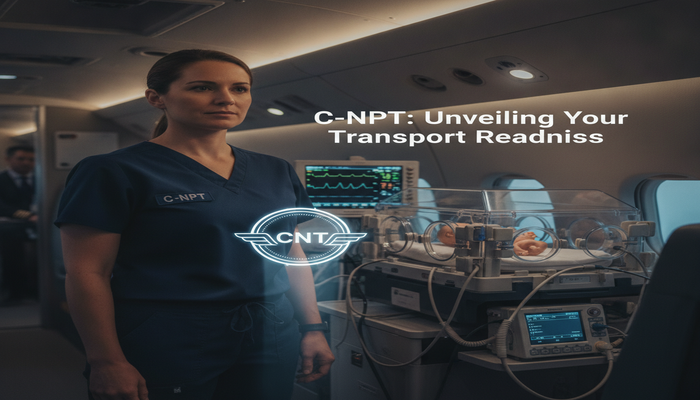
In the high-stakes world of critical care, few roles demand as much specialized skill and unwavering dedication as neonatal transport nursing. These incredible professionals are the lifelines for fragile newborns and critically ill pediatric patients, navigating complex medical scenarios often under challenging circumstances during transfers between facilities. While foundational nursing knowledge is essential, achieving a specialized certification can set you apart. This article unveils the "hidden truth" about the National Certification Corporation (NCC) Certification in Neonatal Pediatric Transport (C-NPT), offering an honest, evaluative, and encouraging guide to help you assess your readiness and embark on this pivotal journey.
The demand for highly skilled transport nurses continues to grow, reflecting the increasing complexity of medical care for our youngest and most vulnerable patients. For many, the C-NPT isn't just another credential; it's a testament to an advanced level of expertise, a commitment to excellence, and a deep understanding of the unique physiological and psychological needs of neonatal and pediatric patients in transport. If you're considering this subspecialty certification, prepare to dive deep into what it truly entails, from eligibility to exam content, and discover how to successfully navigate your path to becoming an NCC Certified-Neonatal Pediatric Transport (C-NPT).
What is the NCC C-NPT Certification?
The National Certification Corporation (NCC) is a non-profit organization dedicated to improving the health of women, neonates, and their families through certification and education. The C-NPT certification specifically targets registered nurses and respiratory therapists who specialize in the interfacility transport of neonatal and pediatric patients.
Achieving the NCC Certified-Neonatal Pediatric Transport (C-NPT) designation signifies that you possess an advanced level of knowledge and expertise in the critical care and stabilization required during these often emergent and complex transports. It validates your competency in a highly specialized field, crucial for ensuring optimal outcomes for the most vulnerable patient populations.
The Role of Neonatal Transport Nursing
Neonatal transport nursing is a demanding subspecialty that requires a broad range of clinical skills, critical thinking, and adaptability. These nurses are responsible for preparing patients for transport, monitoring their vital signs, administering medications, managing ventilation, and responding to emergencies—all within the confined, dynamic environment of an ambulance, helicopter, or fixed-wing aircraft. The C-NPT certification ensures that professionals in this field meet rigorous standards of practice.
Why Pursue C-NPT? Unveiling the Benefits
Deciding to pursue the Neonatal Pediatric Transport certification is a significant career move with far-reaching benefits. It's more than just adding letters after your name; it's an investment in your professional growth and, more importantly, in the lives of the patients you serve.
Enhanced Expertise and Patient Outcomes
The preparation required for the C-NPT exam deepens your understanding of neonatal and pediatric physiology, pathophysiology, and critical care interventions during transport. This advanced knowledge directly translates into improved decision-making, quicker problem-solving, and ultimately, better patient outcomes. You'll be equipped to handle a wider array of complex situations with greater confidence and skill, directly impacting the survival and long-term health of your tiny patients.
Career Advancement and Professional Recognition
In a competitive healthcare landscape, specialized certifications like the C-NPT can open doors to new opportunities. Employers often seek certified professionals, recognizing their commitment to excellence and validated expertise. The C-NPT can lead to promotions, leadership roles within transport teams, or even opportunities in education and policy development within `neonatal transport nursing`.
Increased Credibility and Trust
Certification signifies a commitment to maintaining high standards of practice. It demonstrates to colleagues, employers, and most importantly, patient families, that you are a highly qualified and dedicated professional. This enhanced credibility can build trust and confidence in your abilities during what is often a terrifying and stressful time for parents.
Potential Salary Boost with C-NPT Certification
While specific salary increases vary by region, institution, and experience, many certified nurses report a positive impact on their earning potential. The specialized skills and proven knowledge validated by the C-NPT often warrant higher compensation. Investing in this certification can be a strategic financial move for your career, aligning with the growing demand for highly skilled professionals in the healthcare sector, as highlighted by the U.S. Bureau of Labor Statistics' outlook for healthcare professionals.
Are You Eligible? National Certification Corporation C-NPT Eligibility Requirements
Before you can begin your journey toward C-NPT certification, it's crucial to understand and meet the National Certification Corporation C-NPT eligibility requirements. The NCC maintains stringent criteria to ensure that only qualified professionals attempt the exam, upholding the integrity and value of the certification.
General Requirements
To be eligible for the C-NPT exam, candidates must:
- Hold a current, active, and unrestricted registered nurse (RN) or respiratory therapist (RT) license in the United States or Canada.
- Have sufficient experience in neonatal or pediatric transport. The NCC typically requires a minimum number of documented patient transports or equivalent clinical hours directly related to neonatal or pediatric critical care transport.
- Possess a strong foundational knowledge in critical care, including advanced assessment, physiological monitoring, airway management, ventilation, and pharmacological interventions relevant to neonates and children.
Specific Experience Criteria
The NCC's criteria for clinical experience are precise and critical for eligibility. You generally need a certain number of hours or documented transports as an RN or RT specializing in neonatal and/or pediatric critical care transport. This experience ensures that candidates have practical, real-world exposure to the complexities and challenges of this subspecialty. It's vital to refer to the official NCC website for the most up-to-date and detailed information on specific hour or transport counts, as these can be subject to change. Do not assume; verify your eligibility directly with the NCC before applying.
Decoding the NCC C-NPT Exam Content Outline
Understanding the NCC C-NPT exam content outline is the cornerstone of effective preparation. The exam is meticulously designed to assess a broad spectrum of knowledge crucial for safe and effective neonatal and pediatric transport nursing. Familiarizing yourself with the blueprint will help you prioritize your study efforts and identify areas where you may need to focus more intensely. For a truly detailed breakdown, consult a comprehensive NCC C-NPT exam syllabus.
Exam Structure and Scoring
The C-NPT examination consists of 125 multiple-choice questions, administered over 120 minutes. Of these 125 questions, 100 are scored items that contribute to your final result, while 25 are pretest items. These pretest items are not scored but are used by the NCC to evaluate potential questions for future exams. The passing score for the NCC C-NPT exam is approximately 72%, though it is reported on a pass/fail basis, indicating proficiency rather than a precise percentage score.
The exam price is $210, which includes a $50 non-refundable application submission cost and a $160 testing fee. It's a significant investment, making thorough preparation even more critical.
C-NPT Certification Exam Domains
The NCC C-NPT exam blueprint is divided into three primary content domains, each weighted according to its importance in the daily practice of neonatal and pediatric transport:
-
Transport Core Knowledge - 48%
This domain forms almost half of the exam and covers the foundational principles essential to any critical care transport. Topics include transport physiology (e.g., barometric pressure effects, vibration, noise), safety procedures, team dynamics, communication strategies, legal and ethical considerations, equipment management, and environmental factors specific to air and ground transport. It also delves into general patient stabilization principles applicable across both neonatal and pediatric populations. -
Clinical Knowledge in Neonatal Transport - 26%
This section focuses specifically on the unique challenges and medical conditions encountered during the transport of neonates. It covers neonatal resuscitation, common neonatal critical illnesses (e.g., respiratory distress syndrome, congenital heart defects, sepsis), thermoregulation, fluid and electrolyte management, glucose regulation, pharmacological considerations specific to neonates, and the distinct developmental needs of newborns during transport. -
Clinical Knowledge in Pediatric Transport - 26%
Equivalent in weight to the neonatal section, this domain addresses the specific clinical knowledge required for transporting pediatric patients. It includes pediatric trauma management, common pediatric critical illnesses (e.g., asthma, bronchiolitis, seizures, diabetic ketoacidosis), pain management, sedation, fluid and electrolyte balance in children, age-specific pharmacological considerations, and the psychological impact of transport on children and their families.
A comprehensive understanding of each domain is vital. While 'Transport Core Knowledge' is the largest section, neglecting the specific clinical knowledge for neonatal and pediatric populations can significantly hinder your success.
Your Ultimate NCC Certified-Neonatal Pediatric Transport (C-NPT) Exam Preparation Guide
Preparing for the C-NPT is an intensive process, but with a structured approach, it's entirely achievable. This section provides an in-depth guide on how to prepare for NCC C-NPT certification, helping you create an effective study plan and leverage valuable resources.
Creating a Neonatal Transport Nursing Certification Study Guide
The first step is to develop a personalized neonatal transport nursing certification study guide. Don't just passively read; actively engage with the material. Here's how:
- Review the NCC Content Outline: Use the syllabus topics as your framework. Break down each domain into smaller, manageable sub-topics.
- Assess Your Knowledge Gaps: Take a diagnostic test or create your own quiz based on the outline. Identify areas where your knowledge is weak and prioritize these for intensive study.
- Set Realistic Goals: Allocate dedicated study time each week. Break your overall study plan into daily or weekly objectives.
- Active Learning Techniques: Don't just re-read notes. Use flashcards, create mnemonics, teach concepts to a study partner, or draw diagrams.
Leveraging C-NPT Study Materials and Resources
The NCC provides a list of recommended resources that are invaluable for your C-NPT exam preparation. These textbooks and guidelines form the bedrock of the knowledge base tested on the exam:
- AAP, Field Guide for air and ground transport of pediatric patients, 2019.
- AHA 2020 Guidelines for CPR & ECC: Supplement Circulation, AHA, 2020.
- Shaw, et al., Fleisher & Ludwig's Textbook of Pediatric Emergency Medicine, Wolters Kluwer, 2020.
- Zimmerman, et al., Fuhrman and Zimmerman's Pediatric Critical Care, Elsevier, 2021.
- Gardner, et al., Handbook of Neonatal Intensive: An Interprofessional Approach Care, Elsevier, 2021.
- Gleason, et al., Avery's Diseases of the Newborn, 11th ed., Elsevier, 2023.
- Goldsmith, et al., Assisted Ventilation of the Neonate: An Evidence-Based Approach to Newborn Respiratory Care, Elsevier, 2022.
- Bunik, et al., Current Diagnosis & Treatment in Pediatrics, 26th Ed., McGraw Hill, 2023.
- Hockenberry, et al., Wong's Nursing Care of Infants and Children, 12th ed., Elsevier-Mosby, 2023.
- Holleran, et al., ASTNA Patient Transport Principles and Practices, Mosby Elsevier, 2024.
- Kliegman, et al., Nelson Textbook of Pediatrics, 22nd ed., Elsevier, 2025.
- MacDonald, Atlas of Procedures in Neonatology, LWW, 2020.
- Martin, et al., Fanaroff & Martin's Neonatal-Perinatal Medicine, Elsevier, 2024.
- Park, et al., Park's The Pediatric Cardiology Handbook, 6th ed., Elsevier, 2022.
- Taketomo, Pediatric and Neonatal Dosage Handbook, Lexicomp, 2023.
- Textbook of Neonatal Resuscitation, AHA, AAP, 2021.
- Verklan, Core Curriculum for Neonatal Intensive Care Nursing, Elsevier, 2021.
- Volpe, et. al., Neurology of the Newborn, Elsevier, 2024.
- Walls, et. al., Rosen's Emergency Medicine: Concepts and Clinical Practice, 10th ed., Elsevier, 2022.
- Walsh et al., Neonatal and Pediatric Respiratory Care, 6th ed., Elsevier, 2022.
- Bissinger et al. Handbook of Neonatal Neurology, NCC, 2024.
- Bissinger, et al. Golden Hours Care of the Very Low Birth Weight Neonate, NCC, 2019.
Beyond these, consider:
- Online Courses and Review Programs: Many reputable organizations offer online courses specifically designed for neonatal pediatric transport certification practice questions and comprehensive reviews.
- Professional Organizations: Join organizations like the Association of Air Medical Services (AAMS) or the Air & Surface Transport Nurses Association (ASTNA) for access to conferences, journals, and networking opportunities.
- Study Groups: Collaborating with peers can provide different perspectives, clarify difficult concepts, and keep you accountable.
Neonatal Pediatric Transport Certification Practice Questions Strategy
Practice questions are invaluable. They help you:
- Familiarize with Question Format: Understand how questions are phrased and what kind of critical thinking they require.
- Time Management: Practice answering questions within a time limit to prepare for the actual exam duration.
- Identify Weaknesses: Incorrect answers highlight areas needing more study. Review the rationale for both correct and incorrect answers.
- Build Confidence: The more you practice, the more comfortable and confident you'll feel on exam day.
Developing Neonatal Transport Nursing Skills for C-NPT
While the exam is knowledge-based, practical skills are intrinsically linked to the concepts tested. Continuously refine your hands-on skills:
- Clinical Experience: Your daily work is a crucial learning ground. Seek out diverse transport experiences.
- Simulation Training: Participate in high-fidelity simulations for critical scenarios like neonatal resuscitation, difficult airway management, or hemodynamic instability during transport.
- Continuing Education: Attend workshops and seminars that focus on advanced `neonatal transport nursing skills for C-NPT` relevant to transport, such as advanced life support for neonates and pediatrics.
Remember that the journey to certification is also a journey of continuous learning and skill refinement. For those looking to master similar challenges, exploring resources like unlocking success in other NCC certifications can provide valuable insights into effective study methodologies.
Navigating the C-NPT Exam Day: What to Expect
The day of the exam can be nerve-wracking, but knowing what to expect can significantly reduce anxiety. The NCC C-NPT certification pass rate, while not publicly disclosed as a specific percentage, is generally understood to reflect the rigorous nature of the exam. Approaching it with confidence from thorough preparation is key.
Registration and Scheduling
Once you've determined your eligibility, you can register for the exam. The National Certification Corporation (NCC) website offers a clear process for application submission and scheduling your exam at a testing center near you. Visit the NCC registration page to initiate this process. Be mindful of deadlines and ensure all documentation is submitted correctly.
On Exam Day
Arrive early, well-rested, and with minimal distractions. You will be tested in a proctored environment. Bring valid identification as required. During the 120-minute exam, focus on pacing yourself. Read each question carefully, consider all options, and try to eliminate incorrect choices before selecting your answer. Don't dwell too long on a single question; mark it for review if unsure and move on.
The Cost of Certification: NCC Certification in Neonatal Pediatric Transport Cost
Understanding the financial commitment is an important part of your planning. The NCC Certification in Neonatal Pediatric Transport cost is structured to cover the application review and the examination administration.
The total fee for the C-NPT exam is $210. This amount is broken down into two components:
- Non-refundable application submission cost: $50 - This fee covers the administrative cost of reviewing your application for eligibility, regardless of whether you ultimately take the exam.
- Testing fee: $160 - This fee covers the cost of administering the actual examination at a testing center.
It's important to budget for this expense in addition to any costs for study materials, review courses, or practice exams. Some employers offer reimbursement for certification costs, so it's worth checking with your facility's human resources department.
Maintaining Your NCC Certified-Neonatal Pediatric Transport (C-NPT) Certification
Achieving the NCC Certified-Neonatal Pediatric Transport (C-NPT) is a significant accomplishment, but the journey doesn't end there. Certification is a commitment to lifelong learning and continued competency. The NCC has specific requirements for maintaining your credential.
Certification Validity and Renewal
Your C-NPT certification is valid for 3 years. To maintain your certification, you must participate in the NCC's continuing competency program, which typically involves accumulating a certain number of continuing education (CE) hours related to your specialty. These hours demonstrate your ongoing engagement with current best practices, new research, and advancements in neonatal and pediatric transport nursing.
Continuing Education and Professional Development
The NCC outlines specific content areas for continuing education that align with the exam's domains. This ensures that your professional development efforts remain relevant to your practice. Opportunities for earning CE hours include:
- Attending conferences and workshops.
- Completing online courses.
- Participating in hospital-based education programs.
- Authoring publications or presenting at professional events.
Proactive planning for your continuing education throughout the three-year cycle is crucial to avoid a last-minute scramble and ensure seamless recertification.
Beyond the Exam: The Long-Term Impact on Your Neonatal Transport Nursing Career
The C-NPT certification is not just a benchmark; it's a launchpad for sustained growth in your `neonatal transport nursing` career. The advanced knowledge and specialized skills you gain and maintain through this certification have a profound impact on your professional trajectory and the quality of care you provide.
Professional Growth and Leadership Opportunities
With a C-NPT, you are recognized as a subject matter expert. This recognition often leads to opportunities to serve as a preceptor for new transport nurses, lead educational initiatives within your team, or contribute to protocol development. You might find yourself in a position to mentor others, share your expertise, and shape the future of transport nursing practice. This leadership can extend beyond your immediate team, influencing regional or national transport guidelines and standards.
Contribution to Evidence-Based Practice
The continuous learning required to maintain your certification keeps you abreast of the latest evidence-based practices in neonatal and pediatric critical care transport. This ensures that the care you deliver is not only proficient but also cutting-edge, incorporating the most effective interventions and technologies. Your ability to integrate new research into practice directly benefits patient safety and outcomes, elevating the standard of care for all patients during transport.
Enhanced Professional Network
Becoming certified connects you with a broader community of highly specialized professionals. This network can be a invaluable resource for sharing experiences, discussing complex cases, and collaborating on initiatives to improve transport services. It fosters a sense of camaraderie and collective expertise that can be incredibly supportive throughout your career.
Conclusion
The journey to obtaining your NCC Certified-Neonatal Pediatric Transport (C-NPT) certification is rigorous, demanding dedication, extensive study, and a profound commitment to the most vulnerable patients. The hidden truth isn't a secret challenge, but rather the immense professional and personal growth that accompanies this specialized credential. It's a truth about elevated standards, unwavering excellence, and a measurable impact on patient lives.
By understanding the eligibility requirements, mastering the comprehensive exam content, and diligently preparing with the right resources, you can confidently pursue this invaluable certification. The benefits—from enhanced expertise and career advancement to increased credibility and potential salary growth—make the investment of time and effort profoundly worthwhile. If you're ready to solidify your role as an elite neonatal transport nurse and significantly contribute to critical patient outcomes, the C-NPT is your next step. Begin your journey today and continue to explore ways to discover effective time management strategies for exams, ensuring your success.
Frequently Asked Questions About C-NPT Certification
1. What are the primary eligibility requirements for the NCC C-NPT exam?
To be eligible, you must hold a current, active, and unrestricted RN or RT license and have significant experience (typically a specified number of hours or transports) in neonatal and/or pediatric critical care transport. Always refer to the official NCC website for the most current and detailed criteria.
2. How long is the NCC Certified-Neonatal Pediatric Transport (C-NPT) certification valid?
The C-NPT certification is valid for 3 years. To recertify, you must meet continuing education requirements set by the NCC, which usually involve accumulating a certain number of CE hours relevant to neonatal and pediatric transport.
3. What is the cost of the NCC C-NPT certification exam?
The total cost for the C-NPT exam is $210, which includes a $50 non-refundable application fee and a $160 testing fee. Additional costs for study materials or review courses are separate.
4. What is the format of the C-NPT exam and how many questions are there?
The C-NPT exam is a 120-minute computer-based test consisting of 125 multiple-choice questions. Of these, 100 questions are scored, and 25 are pretest items that do not count towards your score.
5. What are the main content areas covered in the NCC C-NPT exam?
The exam is divided into three main domains: Transport Core Knowledge (48%), Clinical Knowledge in Neonatal Transport (26%), and Clinical Knowledge in Pediatric Transport (26%). These cover everything from general transport principles and safety to specific medical conditions and interventions for neonates and children during transport.


Comments
Post a Comment