Ready for a Low Birth Weight Nursing Cert Career Switch
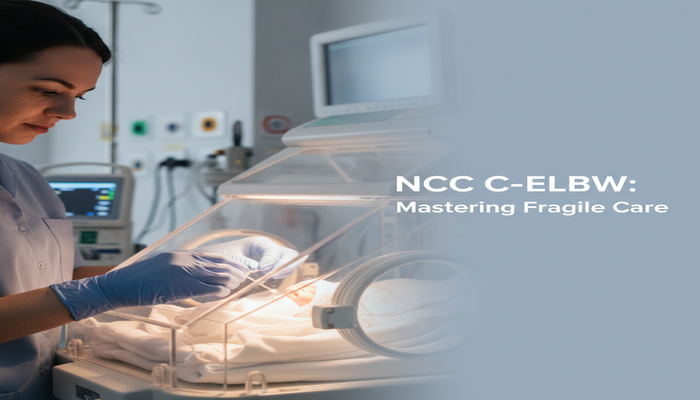
Are you a dedicated nurse seeking a profoundly impactful specialization? The world of neonatal care, particularly the highly specialized field of caring for Extremely Low Birth Weight (ELBW) neonates, offers an incredibly rewarding career path. If you've been contemplating a career switch or looking to elevate your existing nursing credentials, earning a low birth weight nursing cert through the National Certification Corporation (NCC) is a definitive step toward becoming a recognized expert in this critical area.
Caring for ELBW infants – those born weighing less than 1000 grams – demands an unparalleled level of skill, knowledge, and compassion. These tiny patients face immense challenges, and their survival and long-term well-being often hinge on the expertise of their nursing care team. The NCC Care of the Extremely Low Birth Weight Neonate (C-ELBW) certification is designed to validate your proficiency in managing the complex needs of these vulnerable newborns, distinguishing you as a leader in this vital subspecialty.
Why Pursue a Low Birth Weight Nursing Cert? The Impact of Specialization
The decision to specialize in ELBW neonate nursing is more than just a career move; it's a commitment to making a tangible difference in the lives of the most fragile patients and their families. Neonatal intensive care units (NICUs) are always in need of highly skilled nurses, and the demand for specialists in extremely low birth weight care continues to grow. A specialized certification like the NCC C-ELBW not only demonstrates your expertise but also opens doors to advanced roles, leadership opportunities, and enhanced professional respect.
For nurses considering a career transition, or those already in neonatal care looking to deepen their impact, the NCC C-ELBW certification serves as a beacon of advanced practice. It signifies your dedication to evidence-based care, adherence to the highest standards, and a comprehensive understanding of the unique physiological and developmental needs of ELBW infants. This specialization can lead to greater job satisfaction, as you become instrumental in navigating complex clinical scenarios and contributing to positive patient outcomes.
The Evolving Landscape of Neonatal Care and Your Role
Advances in medical technology and understanding have dramatically improved the survival rates of ELBW neonates. However, with increased survival comes the imperative for nuanced, long-term care that addresses potential complications and promotes optimal neurodevelopmental outcomes. This evolving landscape requires nurses who are not just competent, but exceptional. Earning your Extremely Low Birth Weight neonate nursing certification positions you at the forefront of this crucial evolution, empowering you to advocate for and deliver the best possible care.
Moreover, the specialized knowledge gained through preparing for and achieving the NCC C-ELBW certification extends beyond direct patient care. It equips you to be a resource for colleagues, participate in quality improvement initiatives, and contribute to the body of knowledge through research. The National Certification Corporation (NCC) plays a pivotal role in establishing these benchmarks, as detailed on their Wikipedia page explaining the organization.
Understanding the NCC C-ELBW Certification: Your Pathway to Expertise
The NCC Care of the Extremely Low Birth Weight Neonate (C-ELBW) is a subspecialty certification offered by the National Certification Corporation (NCC). It is meticulously designed for licensed registered nurses (RNs) and advanced practice registered nurses (APRNs) who provide care for ELBW neonates. This rigorous certification assesses a candidate's in-depth knowledge and clinical judgment specific to the care of these extremely vulnerable patients.
Gaining this certification validates your specialized expertise, signaling to employers, colleagues, and families that you possess a recognized level of proficiency in this demanding area. It confirms your ability to manage complex medical conditions, implement developmentally appropriate care strategies, and navigate the intricate psychosocial and ethical challenges inherent in ELBW neonate nursing.
Benefits of NCC ELBW Certification for Nurses
The advantages of achieving the NCC Care of the Extremely Low Birth Weight Neonate certification are multifaceted, impacting both your personal career trajectory and the quality of patient care you provide:
- Enhanced Career Opportunities: Certification can lead to promotions, specialized roles within the NICU, and increased earning potential. Employers often prioritize certified nurses for leadership positions and roles requiring advanced clinical judgment.
- Increased Confidence and Competence: The comprehensive study required for the exam deepens your knowledge base, fostering greater confidence in your clinical decision-making and patient management skills.
- Professional Recognition: Holding an NCC certification marks you as an expert in your field, distinguishing you among your peers and affirming your commitment to lifelong learning and excellence.
- Improved Patient Outcomes: Certified nurses are equipped with the most current evidence-based practices, directly contributing to better health outcomes and developmental support for ELBW infants.
- Advocacy and Leadership: With specialized knowledge, you become a stronger advocate for your tiny patients and their families, and a valuable voice in multidisciplinary care teams.
To further explore the nuances of specialized neonatal nursing care and gauge your readiness, consider practicing with C-ELBW exam practice questions, which can be an invaluable tool in your preparation strategy.
Diving Deep into the NCC C-ELBW Exam: Your Roadmap to Specialization
Successfully navigating the NCC C-ELBW certification exam requires a thorough understanding of its structure, content, and the level of detail expected. The exam is designed to be comprehensive, ensuring that certified nurses are well-prepared for the intricate demands of ELBW care.
Exam Essentials: What You Need to Know
Before you embark on your study journey, it's crucial to be familiar with the practical aspects of the exam:
- Exam Name: NCC Care of the Extremely Low Birth Weight Neonate
- Exam Code: C-ELBW
- Exam Price: $210 (composed of a $50 non-refundable application submission cost and a $160 testing fee).
- Duration: 120 minutes
- Number of Questions: 125 multiple-choice questions (100 scored items / 25 pretest items).
- Passing Score: This is a pass/fail exam, with a passing score typically around 72%.
- Certification Validity: The NCC Care of the Extremely Low Birth Weight Neonate (C-ELBW) certification is valid for 3 years, requiring recertification to maintain your specialized status.
Comprehensive Syllabus Overview for the NCC C-ELBW
The exam syllabus covers a broad spectrum of knowledge essential for ELBW neonate care, broken down into key domains. A deep dive into each of these areas is paramount for successful preparation for your Neonatal ELBW nursing certification:
General Assessment and Management (30%)
This foundational section emphasizes the critical initial and ongoing assessment and management strategies for ELBW neonates. It covers the crucial first minutes and hours of life, through their NICU stay. Topics include:
- Resuscitation and Stabilization: Principles of neonatal resuscitation tailored for ELBW infants, including airway management, ventilation strategies, chest compressions, and medication administration. Understanding the physiological differences in ELBW neonates that impact resuscitation.
- Thermoregulation: The unique challenges ELBW infants face in maintaining body temperature. Strategies for preventing heat loss, utilizing incubators, radiant warmers, and skin-to-skin care. Recognition and management of hypothermia and hyperthermia.
- Fluid and Electrolyte Balance: Managing delicate fluid and electrolyte needs, understanding insensible water loss, fluid restriction vs. adequate hydration, and monitoring imbalances.
- Nutrition: Specialized nutritional support including parenteral nutrition, trophic feeds, human milk fortification, and transition to enteral feeding. Recognizing feeding intolerance and optimizing growth.
- Cardiovascular Management: Assessment of cardiac function, recognition of common issues like patent ductus arteriosus (PDA) and hypotension, and management strategies.
- Respiratory Management: Advanced understanding of respiratory distress syndrome (RDS), transient tachypnea of the newborn (TTN), apnea of prematurity, and chronic lung disease/bronchopulmonary dysplasia (BPD). Different modes of ventilatory support (NCPAP, mechanical ventilation, HFOV), surfactant administration, and oxygen management.
- Infection Control: The heightened susceptibility of ELBW infants to infection and rigorous infection prevention protocols. Recognition of sepsis signs and symptoms, and management with antibiotics.
Developmental Care (16%)
This section focuses on providing a supportive, nurturing environment that minimizes stress and promotes optimal neurodevelopmental outcomes for ELBW infants. It's a cornerstone of modern neonatal care, ensuring that while the baby's body heals, their brain and sensory systems are also protected and nurtured. Key components include:
- Environment Modification: Creating a calm, quiet, and dimly lit environment to mimic the womb. Reducing unnecessary noise and light exposure.
- Positioning and Handling: Therapeutic positioning to promote flexion, midline orientation, and self-regulation. Gentle handling techniques, minimizing painful procedures, and facilitating sleep cycles.
- Pain Assessment and Management: Recognizing subtle signs of pain in ELBW neonates and implementing pharmacological and non-pharmacological pain management strategies.
- Sleep-Wake Cycling: Supporting natural sleep patterns and minimizing disruptions to promote brain development.
- Family-Centered Care and Involvement: Empowering parents to participate in care, promoting kangaroo care (skin-to-skin contact), and supporting parental attachment and bonding.
- Sensory Stimulation: Providing appropriate and individualized sensory input, avoiding overstimulation.
Describe & Manage Pathophysiologic States (41%)
This is the most extensive portion of the exam, delving into the specific disease processes and complications frequently encountered in ELBW neonates. This requires a detailed understanding of etiology, pathophysiology, clinical manifestations, diagnosis, and evidence-based management strategies across all body systems. Preparing for this section means immersing yourself in the critical conditions that challenge ELBW infants:
- Respiratory System: Beyond initial management, this covers long-term respiratory complications, ventilator-associated lung injury, pneumothorax, and the specific considerations for various respiratory support devices.
- Cardiovascular System: Persistent pulmonary hypertension, congenital heart defects commonly seen in prematurity, and management of systemic blood flow.
- Neurologic System: Intraventricular hemorrhage (IVH) grading and management, periventricular leukomalacia (PVL), hydrocephalus, seizures, and strategies for neuroprotection. Long-term developmental monitoring and early intervention.
- Gastrointestinal System: Necrotizing enterocolitis (NEC) prevention, early detection, and management (medical and surgical). Gastroschisis, omphalocele, and other surgical NEC. Feeding intolerance, reflux, and strategies for promoting gut health.
- Hematologic System: Anemia of prematurity, thrombocytopenia, coagulopathies, and hyperbilirubinemia (jaundice) management including phototherapy and exchange transfusions.
- Renal System: Acute kidney injury, fluid and electrolyte disturbances related to renal immaturity, and monitoring renal function.
- Endocrine System: Hypoglycemia, hyperglycemia, adrenal insufficiency, and thyroid dysfunction in ELBW infants.
- Infectious Diseases: Sepsis evaluation and management, specific neonatal infections (e.g., TORCH infections), fungal infections, and antibiotic stewardship.
- Ophthalmic & Auditory: Retinopathy of prematurity (ROP) screening and management, hearing loss screening, and interventions.
- Bone Health: Osteopenia of prematurity and strategies for prevention and management.
Psychosocial, Ethical, and Professional Issues and Outcomes with ELBW Neonates and Families (13%)
This section recognizes that caring for ELBW neonates extends beyond medical interventions to encompass the profound emotional, ethical, and professional dimensions of care. It addresses the holistic support needed for families and the nurse's role in complex decision-making. Topics include:
- Family Support and Communication: Strategies for effective communication with families experiencing trauma, grief, and uncertainty. Supporting parental coping mechanisms, facilitating bonding, and addressing cultural sensitivities.
- Ethical Dilemmas: Navigating complex ethical considerations such as withdrawal of care, futility of treatment, allocation of resources, and decision-making for non-viable infants. Understanding parental rights and professional responsibilities.
- End-of-Life Care: Providing compassionate care for infants at the end of life and supporting grieving families.
- Professional Practice and Advocacy: The nurse's role in advocating for patient and family needs, interdisciplinary collaboration, and adherence to professional standards and legal mandates.
- Research and Evidence-Based Practice: Utilizing current research to inform practice, participating in quality improvement initiatives, and contributing to advancements in ELBW care.
- Long-Term Outcomes: Understanding the potential long-term neurodevelopmental and health outcomes for ELBW survivors and the importance of early intervention programs.
Charting Your Course: Preparing for the NCC C-ELBW Exam
Preparing for the NCC Care of the Extremely Low Birth Weight Neonate exam is a significant undertaking, but with a structured approach, it is entirely achievable. Your success hinges on effective study strategies and utilizing the right resources.
Essential Study Resources for NCC C-ELBW Success
The NCC provides a comprehensive list of suggested resources to aid candidates in their preparation. These textbooks and guidelines cover the breadth and depth of the exam content. It is advisable to consult several of these resources to gain a well-rounded understanding:
- Core Textbooks: Key texts like Fanaroff, et al., Klaus & Fanaroff's Care of the High-Risk Neonate; Gleason, et al., Avery's Diseases of the Newborn; and Martin, et al., Fanaroff and Martin's Neonatal-Perinatal Medicine provide foundational knowledge.
- Specialized Guides: Resources such as Bissinger, et al., Golden Hours and Handbook of Neonatal Neurology offer focused insights into critical periods and neurological care.
- Clinical Practice References: Textbook of Neonatal Resuscitation (AAP, AHA), and Gomella, et al., Gomella's Neonatology are vital for clinical protocols and rapid reference.
- Evidence-Based Practice: Polit, et al., Essentials of Nursing Research underscores the importance of evidence in nursing practice.
- Dosage and Assessment: Taketomo, Pediatric and Neonatal Dosage Handbook and Witt, C., Wallman, C. et.al, Tappero and Honeyfield's Physical Assessment of the Newborn are essential practical guides.
- Comprehensive Curricula: Verklan, et al., Core Curriculum for Neonatal Intensive Care Nursing provides an excellent framework for study.
Leveraging these authoritative sources will ensure you cover the necessary material for the NCC C-ELBW study guide and the exam itself. Remember that these are often updated, so seeking the most current editions is always recommended.
Strategic Study Approaches for Your Certification
Beyond compiling resources, how you study is equally important. Consider these strategies for your National Certification Corporation ELBW exam preparation:
- Develop a Study Schedule: Allocate specific times each week for studying. Break down the syllabus into manageable sections and tackle them systematically.
- Utilize Practice Questions: Regularly engage with C-ELBW exam practice questions. This not only tests your knowledge but also familiarizes you with the exam format and question style.
- Form a Study Group: Collaborating with peers can provide different perspectives, clarify concepts, and offer mutual support.
- Review Courses: Consider enrolling in a dedicated C-ELBW certification review course. These courses often provide structured content, expert instructors, and additional practice materials.
- Focus on Weak Areas: Identify your areas of weakness through self-assessment and direct more study time to these topics.
- Active Learning: Don't just read. Create flashcards, teach concepts to others, draw diagrams, and summarize key information in your own words.
- Simulate Exam Conditions: As you get closer to the exam date, practice answering questions under timed conditions to build stamina and manage test anxiety.
Understanding common pitfalls in C-ELBW exam preparation can also provide valuable guidance on what to avoid.
Registration and Logistics: Securing Your Exam Slot
Once you feel prepared, the next step is to register for your exam. The official details, including eligibility criteria and the application process, can be found on the National Certification Corporation (NCC) official page for the C-ELBW certification. Pay close attention to the NCC C-ELBW exam requirements, which typically include current RN licensure and a certain number of hours of direct patient care experience in neonatal intensive care.
You can register for the exam directly through the National Certification Corporation (NCC) website. Visit their certification exams registration page to initiate your application and schedule your testing appointment at a convenient location.
The Impact of Your Extremely Low Birth Weight Neonate Nursing Certification
Achieving your Extremely Low Birth Weight newborn nursing certification is a powerful statement about your professional dedication and expertise. It's an investment in your career that yields significant returns, both professionally and personally.
Career Advancement and Professional Recognition
With an NCC C-ELBW certification, you differentiate yourself in a competitive healthcare landscape. You'll be recognized as a highly competent specialist, opening doors to advanced clinical roles, nurse educator positions, and opportunities in research or quality improvement related to neonatal care. The certification demonstrates a commitment to lifelong learning and mastery in a complex field, which is highly valued by healthcare institutions.
The specialized skill set you gain through this certification directly translates into improved patient care. You'll be better equipped to identify subtle changes in ELBW infants' conditions, intervene effectively, and contribute to protocols that enhance their chances of survival and healthy development. This direct impact on patient outcomes is one of the most rewarding aspects of holding a Neonatal subspecialty certification ELBW.
Contributing to a Critical Field
The demand for highly skilled healthcare professionals continues to grow, and neonatal nursing, particularly for high-risk populations like ELBW neonates, is a vital area. The Bureau of Labor Statistics provides insights into the broader healthcare sector's outlook, indicating steady growth for nursing professionals. Specializing with an NCC C-ELBW certification enhances your marketability and ensures you are at the forefront of this crucial segment of healthcare. You can explore general trends in healthcare occupations on the U.S. Bureau of Labor Statistics website.
Maintaining Your Specialization: Recertification
As noted, your NCC Care of the Extremely Low Birth Weight Neonate (C-ELBW) certification is valid for 3 years. To maintain your certification and ensure your knowledge remains current with the latest advancements in ELBW care, recertification is required. This typically involves accumulating continuing education (CE) hours relevant to the specialty during your 3-year certification period.
The NCC provides clear guidelines on the types of activities and contact hours that qualify for recertification, emphasizing the importance of ongoing professional development. This continuous learning ensures that certified nurses consistently apply the most up-to-date, evidence-based practices, which is essential for the ever-evolving field of neonatal intensive care.
Conclusion: Embrace Your Expertise with an ELBW Nursing Cert
Embarking on the journey to earn your low birth weight nursing cert is a testament to your dedication to excellence in nursing. The NCC Care of the Extremely Low Birth Weight Neonate (C-ELBW) certification is more than just a credential; it's a profound affirmation of your specialized skill set, clinical judgment, and unwavering commitment to the most vulnerable among us.
This certification not only solidifies your expertise in managing the complex needs of ELBW neonates but also elevates your professional standing, opening doors to advanced opportunities and allowing you to make an even greater impact. If you are ready to take on this challenging yet incredibly rewarding specialization, the NCC C-ELBW is your definitive path forward. Invest in your growth, enhance patient outcomes, and become the expert these tiny lives so desperately need. For valuable insights into optimizing your study time for any NCC exam, consider exploring guides that offer valuable insights into optimizing your study time.
Frequently Asked Questions About the NCC C-ELBW Certification
1. What is the NCC C-ELBW certification?
The NCC C-ELBW (Care of the Extremely Low Birth Weight Neonate) is a subspecialty certification offered by the National Certification Corporation (NCC) for registered nurses and advanced practice registered nurses. It validates advanced knowledge and expertise in the comprehensive care of neonates born weighing less than 1000 grams.
2. Who is eligible to take the NCC C-ELBW exam?
Eligibility requirements typically include a current, active, and unencumbered U.S. RN license, and a minimum number of hours of direct patient care experience in the specialty. Specific details can be found on the official NCC website.
3. How long is the NCC C-ELBW certification valid?
The NCC Care of the Extremely Low Birth Weight Neonate (C-ELBW) certification is valid for a period of 3 years. To maintain certification, nurses must meet specific continuing education requirements during this period and complete the recertification process.
4. What is the format and cost of the C-ELBW exam?
The exam consists of 125 multiple-choice questions (100 scored, 25 pretest items) and has a duration of 120 minutes. The total cost is $210, which includes a $50 non-refundable application fee and a $160 testing fee.
5. What are the key areas covered in the NCC C-ELBW exam syllabus?
The syllabus covers four main areas: General Assessment and Management (30%), Developmental Care (16%), Describe & Manage Pathophysiologic States (41%), and Psychosocial, Ethical, and Professional Issues and Outcomes with ELBW Neonates and Families (13%). The largest section focuses on the detailed management of various pathophysiologic conditions specific to ELBW infants.


Comments
Post a Comment