Is the Maternal Newborn Nursing Cert Truly Worth It
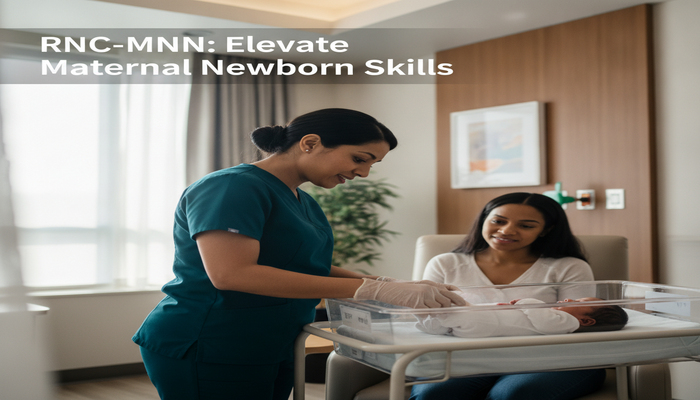
In the dynamic and demanding field of nursing, specialization often paves the way for advanced career opportunities, enhanced patient care, and significant professional growth. Among the various certifications available, the maternal newborn nursing cert stands out for those dedicated to the unique journey of new mothers and their infants. Specifically, the National Certification Corporation (NCC) offers the Registered Nurse Certified in Maternal Newborn Nursing (RNC-MNN) certification, a prestigious credential that signifies a high level of expertise in this vital area of healthcare. But is investing your time, effort, and resources into this specific certification truly worth it? This comprehensive guide delves deep into the NCC RNC-MNN, exploring its benefits, challenges, the certification process, and what it means for your nursing career, helping you make an informed decision.
Understanding the NCC RNC-MNN Certification
The NCC Registered Nurse Certified in Maternal Newborn Nursing (RNC-MNN) is a core certification designed for registered nurses who provide direct patient care to maternal newborn patients. This includes care for women during the antepartum, intrapartum, and postpartum periods, as well as care for healthy newborns. Earning this `maternal newborn nursing cert` demonstrates a commitment to excellence and a mastery of the specialized knowledge and skills required in this field.
What is the NCC and Why is it Important?
The National Certification Corporation (NCC) is a non-profit organization that provides certification and education for healthcare professionals who work in obstetric, gynecologic, neonatal, and women's health specialties. Established with the mission to promote quality health care for women and newborns through certification, the NCC has been a trusted name in nursing certifications for decades. For more insight into their history and mission, you can explore the National Certification Corporation on Wikipedia.
Becoming an NCC Registered Nurse Certified in Maternal Newborn Nursing (RNC-MNN) isn't just about adding letters after your name; it's about validating your expertise against a national standard. This validation is critical in an area of nursing where patient outcomes are profoundly impacted by the specialized knowledge and skillful intervention of care providers. The RNC-MNN distinguishes you as a leader and an expert in maternal and newborn care, signaling to employers, colleagues, and patients your dedication to the highest standards of practice.
Eligibility Requirements for NCC RNC-MNN
Before embarking on the journey to earn your NCC Certification in Maternal Newborn Nursing, it's crucial to understand the eligibility criteria. To sit for the RNC-MNN exam, candidates must meet specific requirements:
- Hold a current, active, and unrestricted RN license in the United States or its territories.
- Have completed a minimum of 2,000 hours of experience in maternal newborn nursing as a registered nurse within the last two years. This experience must be in the direct care of maternal newborn patients.
- Experience can include care in various settings such as labor and delivery, postpartum, newborn nursery, or community health settings focusing on maternal and newborn health.
These requirements ensure that candidates possess a foundational level of practical experience, making the `maternal newborn nursing specialty certification for RNs` a testament to both theoretical knowledge and practical application. Verifying your eligibility is the first critical step toward this advanced credential.
The Certification Process: Exam Details and Preparation
The path to becoming an NCC Registered Nurse Certified in Maternal Newborn Nursing (RNC-MNN) involves a rigorous examination designed to assess your comprehensive knowledge of maternal and newborn care. Understanding the structure and content of the exam is paramount for successful `NCC RNC-MNN exam prep`.
Exam Structure and Cost
The NCC Certification in Maternal Newborn Nursing (RNC-MNN) exam is a comprehensive assessment covering a broad spectrum of maternal and newborn care topics. Here are the key details:
- Exam Code: RNC-MNN
- Exam Name: NCC Certification in Maternal Newborn Nursing
- Number of Questions: 175 multiple-choice questions
- Duration: 180 minutes (3 hours)
- Passing Score: The exam is pass/fail, with approximately 72% of questions needing to be answered correctly to pass. The exact passing score is determined by psychometric analysis and may vary slightly.
- Exam Price: The `National Certification Corporation Maternal Newborn Nursing certification cost` is $325. This includes a $50 non-refundable application submission cost and a $275 testing fee.
It's important to budget not only for the exam fee but also for study materials and potential review courses. These costs are an investment in your professional future and are a significant consideration when evaluating if the `maternal newborn nursing cert` is worth it for you.
NCC RNC-MNN Exam Syllabus and Topics
A thorough understanding of the `NCC RNC-MNN exam syllabus` is the cornerstone of effective preparation. The exam is structured around key content areas, each with a specific weight:
- Pregnancy, Birth Risk Factors and Complications: 7%
- Maternal Postpartum Assessment, Management, and Education: 26%
- Newborn Assessment and Management: 20%
- Maternal Postpartum Complications: 25%
- Newborn Complications: 22%
As you can see, the syllabus places significant emphasis on maternal and newborn postpartum care, as well as the identification and management of complications for both the mother and the newborn. Each topic requires a deep dive into evidence-based practice and clinical judgment. To prepare effectively, nurses need to go beyond basic textbook knowledge and truly understand the application of principles in diverse clinical scenarios.
For those seeking comprehensive preparation resources, including sample questions, a valuable resource can be found at NCC RNC-MNN Certification Sample Questions. This can provide a practical sense of the exam's format and question style.
How to Pass the NCC RNC-MNN Exam: Study Strategies and Resources
Passing the RNC-MNN exam requires a disciplined and strategic approach. Many nurses wonder, `how long to study for NCC RNC-MNN`? While individual study times vary based on experience and learning style, most candidates dedicate several months to focused preparation. Here's a breakdown of effective strategies and `best study materials for NCC RNC-MNN`:
Comprehensive Study Plan
- Assess Your Knowledge: Start with a diagnostic test or self-assessment to identify your strengths and weaknesses across the `NCC Registered Nurse Certified in Maternal Newborn Nursing exam topics`.
- Create a Schedule: Develop a realistic study schedule that allocates sufficient time to each syllabus area, prioritizing areas where you need more improvement. Consistent, focused study sessions are more effective than cramming.
- Utilize Diverse Resources: Don't rely on just one source. Combine textbooks, online courses, review seminars, and practice questions.
Recommended Training and Study Materials
The NCC recommends several authoritative texts that serve as excellent resources for your `Registered Nurse Certified in Maternal Newborn Nursing study guide`:
- Baker, et al., Core Curriculum for Maternal-Newborn Nursing, Elsevier, 2024
- Cunningham, et al., Williams Obstetrics, McGraw-Hill, 2022.
- Davidson, et al., Old's Maternal Newborn Nursing & Women's Health Care Across the Lifespan, Pearson, 2024.
- Gardner, et al., Handbook of Neonatal Intensive Care: an Interprofessional Approach, Elsevier, 2021.
- Gomella, et al., Neonatology, McGraw Hill, 2020
- Kenner, et al., Comprehensive Neonatal Nursing Care, Springer, 2020
- Landon, et al., Gabbe's Obstetrics Normal and Problem Pregnancies, 9th ed., Elsevier, 2025
- Lowdermilk, et al., Maternity and Women's Health Care 12th ed, Mosby, 2024.
- Ricci, Essentials of Maternity, Newborn, and Women's Health Nursing, 6th ed., Wolters Kluwer, 2025
- Simpson, et al., AWHONN's Perinatal Nursing, 5th ed, Wolters Kluwer, 2021.
- Witt, et al., Physical Assessment of the Newborn, Springer, 2025.
- Verklan, et al., Core Curriculum for Neonatal Intensive Care Nursing, Elsevier, 2021.
These texts provide the foundational knowledge necessary to master the intricate details of maternal newborn nursing. Reviewing current clinical guidelines and professional organizational statements is also highly recommended.
Practice Questions and Review Courses
Engaging with `NCC Maternal Newborn Nursing certification practice questions` is invaluable. They help you familiarize yourself with the exam format, identify areas for further study, and improve your test-taking strategies. Many online platforms and publishers offer practice tests specifically tailored for the RNC-MNN. Consider taking a specialized review course, either in-person or online, which can provide structured learning, expert guidance, and opportunities to clarify complex concepts. Successfully passing the NCC RNC-MNN exam hinges on consistent effort and effective utilization of all available resources, including mastering your RNC-MNN practice test as a key component of your preparation strategy.
Benefits of the `Maternal Newborn Nursing Cert`
The decision to pursue a `maternal newborn nursing cert`, specifically the NCC RNC-MNN, is often driven by a desire for professional advancement and improved patient care. The `benefits of NCC RNC-MNN certification` are numerous and can significantly impact a nurse's career trajectory and job satisfaction.
Enhanced Knowledge and Clinical Expertise
The rigorous preparation for the RNC-MNN exam compels nurses to deepen their understanding of maternal and newborn physiology, common complications, evidence-based interventions, and best practices. This intensive study translates directly into enhanced clinical expertise, allowing certified nurses to provide more comprehensive, precise, and advanced care. They become more adept at identifying subtle changes in patient conditions, implementing timely interventions, and educating families effectively.
Increased Professional Recognition and Credibility
Certification by the National Certification Corporation (NCC) is a widely respected hallmark of excellence in nursing. Holding the RNC-MNN credential signifies to peers, employers, and patients that you possess a specialized body of knowledge and have met stringent national standards of competence. This recognition can boost your professional credibility within your institution and the broader healthcare community. It demonstrates a proactive commitment to lifelong learning and professional growth, setting you apart in a competitive field. Many healthcare organizations actively seek out and value certified nurses, often recognizing their expertise through various incentives.
Career Advancement Opportunities
For many nurses, the `maternal newborn nursing cert` opens doors to new career opportunities. Certified nurses are often preferred for leadership roles, such as charge nurses, clinical educators, unit managers, or specialized positions within maternal newborn units. It can be a prerequisite or a significant advantage for securing positions in higher-acuity settings or for participating in quality improvement initiatives. The U.S. Bureau of Labor Statistics projects a strong job outlook for registered nurses overall, and specialization through certifications like the RNC-MNN can further enhance employment prospects and potential for advancement within specific healthcare niches. You can read more about the broader outlook for healthcare occupations on the BLS website.
Potential for Higher Compensation
While direct salary increases vary by employer, geographic location, and years of experience, many hospitals and healthcare systems offer financial incentives for certified nurses. These can include higher hourly wages, bonuses, or stipends. Beyond direct financial benefits, the RNC-MNN can indirectly lead to higher earning potential by qualifying you for advanced roles that naturally come with increased salaries. It positions you as a valuable asset, justifying greater investment from your employer.
Improved Patient Outcomes and Safety
Ultimately, the most significant benefit of the `maternal newborn nursing cert` is its positive impact on patient care. Nurses with specialized certification are better equipped to deliver evidence-based care, anticipate and manage complications, and educate patients and their families effectively. This translates into improved safety, better health outcomes for mothers and newborns, and a more positive healthcare experience. The rigorous knowledge base required for the RNC-MNN ensures that certified nurses are at the forefront of best practices, contributing directly to the quality of care in their specialty.
Is the Maternal Newborn Nursing Cert Truly Worth It? Weighing the Pros and Cons
Deciding whether the `maternal newborn nursing cert` is truly worth the investment requires a balanced look at the advantages and disadvantages. This certification is a significant undertaking, and its value is often dependent on individual career goals, professional environment, and personal commitment.
The Pros: A Strong Case for Certification
- Professional Validation: The RNC-MNN provides external validation of your specialized knowledge and skills, confirming your expertise in maternal newborn nursing.
- Career Momentum: It can accelerate career growth, opening doors to leadership, educational, and advanced clinical roles. Many healthcare systems are prioritizing certified staff.
- Enhanced Confidence: Mastering the material and passing a challenging exam can significantly boost a nurse's self-confidence and job satisfaction.
- Better Patient Care: The knowledge gained directly translates to improved patient safety, quality of care, and overall outcomes for mothers and newborns.
- Networking Opportunities: Becoming part of a certified community can lead to valuable networking opportunities and collaboration with other dedicated professionals.
- Continuing Education Pathway: The certification process often encourages ongoing professional development and adherence to the latest evidence-based practices.
The Cons: Considerations and Challenges
- Cost: The `National Certification Corporation Maternal Newborn Nursing certification cost` of $325 (plus study materials) can be a barrier for some. While an investment, it requires careful financial planning.
- Time Commitment: Preparing for the RNC-MNN exam demands a substantial time commitment for studying, which can be challenging to balance with work and personal life. `How long to study for NCC RNC-MNN` varies, but several months are typically needed.
- Exam Difficulty: The RNC-MNN is a challenging exam. While a specific `National Certification Corporation Maternal Newborn Nursing exam pass rate` isn't always publicly released, it's known to require extensive preparation and a deep understanding of the subject matter. Failure means re-investing time and money for a retake.
- Renewal Requirements: The Certification Full-Name: NCC Registered Nurse Certified in Maternal Newborn Nursing (RNC-MNN) has a `Certification Validity: 3 Years`. This means ongoing commitment to `NCC RNC-MNN certification renewal` through continuing education hours and potentially re-examination, adding to the long-term investment.
- Not Universally Required: While highly valued, the RNC-MNN is not a mandatory certification for all maternal newborn nursing positions. Its impact on career advancement might vary depending on your employer and specific role.
Making Your Decision
Ultimately, the worth of the `maternal newborn nursing cert` is subjective and depends on your individual circumstances. If you are passionate about maternal and newborn care, aspire to advance your career, and are willing to dedicate the necessary time and resources, the RNC-MNN can be an incredibly valuable asset. It solidifies your expertise, enhances your professional standing, and contributes to better patient outcomes.
Consider your current career goals. Are you looking to specialize further, take on leadership roles, or demonstrate a higher level of competency? If so, this certification aligns perfectly. Reflect on your readiness to commit to the study process and the financial investment. Many nurses find the long-term benefits far outweigh the initial challenges. For more details on the certification programs and to view the official exam schedule, visit the National Certification Corporation (NCC) website.
Maintaining Your `NCC Registered Nurse Certified in Maternal Newborn Nursing (RNC-MNN)`
Achieving your `maternal newborn nursing cert` is a significant accomplishment, but it's also the beginning of an ongoing commitment to excellence. The NCC Registered Nurse Certified in Maternal Newborn Nursing (RNC-MNN) certification is valid for 3 years. To maintain your certification, you must participate in `NCC RNC-MNN certification renewal` activities. This typically involves earning continuing education (CE) credits relevant to your specialty area. The NCC provides detailed guidelines for renewal, ensuring that certified nurses remain current with the latest advancements and best practices in maternal newborn nursing.
Staying abreast of new research, clinical guidelines, and technological advancements is critical in any healthcare specialty, particularly one as dynamic as maternal newborn nursing. Renewal requirements encourage continuous learning, which not only preserves your certification status but also ensures you consistently provide the highest quality of care. This commitment to ongoing education reinforces the value and integrity of the RNC-MNN credential over time.
Conclusion
The question, "Is the `maternal newborn nursing cert` truly worth it?" has a nuanced answer. For dedicated registered nurses working in maternal newborn care, the National Certification Corporation (NCC) RNC-MNN offers a robust pathway to validate specialized expertise, enhance professional credibility, and unlock significant career opportunities. While it demands a considerable investment of time, effort, and financial resources, the benefits of advanced knowledge, improved patient outcomes, and potential for career advancement are compelling.
This certification is more than just a credential; it's a testament to your unwavering commitment to the health and well-being of mothers and their newborns. It equips you with the confidence and validated expertise to excel in a critical field, distinguishing you as a leader among your peers. For those who are passionate about this specialty and aspire to achieve the highest standards of care, the `NCC Registered Nurse Certified in Maternal Newborn Nursing (RNC-MNN)` is undoubtedly a valuable and rewarding pursuit. For detailed preparation tips and to explore more about passing certification exams, consider reviewing resources like NCC certification success strategies.
Frequently Asked Questions About the RNC-MNN Certification
1. What is the NCC RNC-MNN certification?
The NCC Registered Nurse Certified in Maternal Newborn Nursing (RNC-MNN) is a specialized certification for registered nurses who provide direct care to mothers and newborns during the antepartum, intrapartum, and postpartum periods, as well as care for healthy newborns. It validates a nurse's advanced knowledge and expertise in this field.
2. What are the eligibility requirements for the RNC-MNN exam?
To be eligible, you must hold a current, active, and unrestricted RN license and have accumulated a minimum of 2,000 hours of experience in maternal newborn nursing as a registered nurse within the last two years.
3. How much does the NCC RNC-MNN certification cost?
The total cost for the NCC RNC-MNN exam is $325. This includes a $50 non-refundable application fee and a $275 testing fee. Additional costs may include study materials and review courses.
4. How long is the RNC-MNN certification valid?
The NCC Registered Nurse Certified in Maternal Newborn Nursing (RNC-MNN) certification is valid for 3 years. To maintain certification, nurses must meet specific continuing education requirements set by the NCC for renewal.
5. What are the primary benefits of earning the maternal newborn nursing cert?
Key benefits include enhanced clinical expertise, increased professional recognition and credibility, expanded career advancement opportunities, potential for higher compensation, and ultimately, improved patient outcomes and safety for mothers and newborns.


Comments
Post a Comment