The Unseen Advantages of Low-Risk Neonatal Nursing Certification
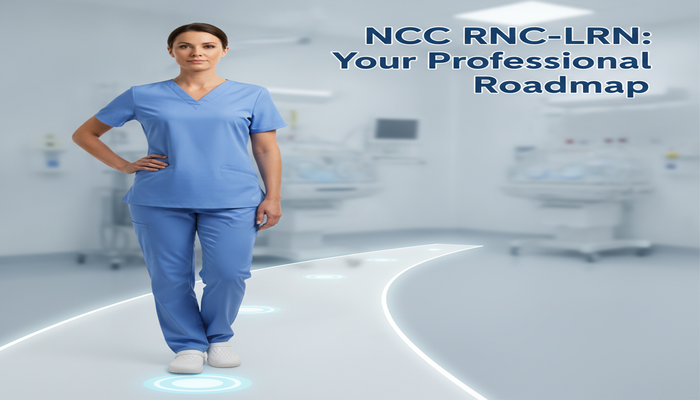
In the specialized world of nursing, expertise is not just valued; it's vital. For those dedicated to caring for our smallest and most vulnerable patients, the National Certification Corporation (NCC) offers a distinguished credential: the Registered Nurse Certified in Low Risk Neonatal Intensive Care Nursing (RNC-LRN). While often overshadowed by certifications for critically ill neonates, the low-risk neonatal nursing certification provides a unique set of advantages, underscoring a commitment to excellence in a nuanced and essential field.
This article delves into the often-unseen benefits of achieving the RNC-LRN, outlining how this certification can elevate your career, enhance patient care, and solidify your professional standing. It's more than just a certificate; it's a testament to specialized knowledge in low-risk neonatal care.
What is the NCC RNC-LRN Certification?
The NCC RNC Certification in Low Risk Neonatal Intensive Care Nursing, or RNC-LRN, is a core certification designed for registered nurses who provide care to stable, low-risk neonates in a neonatal intensive care unit (NICU) or similar specialized nursery setting. This credential, awarded by the National Certification Corporation (NCC), validates a nurse's comprehensive knowledge and clinical judgment specific to this unique patient population. It covers everything from general assessment and management of pathophysiologic conditions to professional issues relevant to low-risk neonatal intensive care nursing.
Unlike certifications for extremely critical cases, the RNC-LRN focuses on the intricate care required for infants who, while not as acutely ill, still demand specialized expertise to thrive and avoid complications. Achieving this status signals a higher level of proficiency in managing the needs of low-risk infants, distinguishing certified nurses in a competitive landscape.
Why Pursue Low-Risk Neonatal Nursing Certification?
Obtaining your low-risk neonatal nursing certification offers a multitude of personal and professional benefits that can significantly impact your career trajectory and the quality of care you provide. These advantages extend beyond mere credentialing, fostering a deeper sense of competence and opening doors to new opportunities.
Elevating Your Professional Standing
Achieving the RNC-LRN demonstrates a commitment to lifelong learning and mastery in your chosen specialty. It sets you apart as an expert in low-risk neonatal intensive care nursing, earning respect from peers, physicians, and administrators. This recognition often translates into enhanced career opportunities, including eligibility for leadership roles, specialized unit assignments, and professional development programs. Nurses with this certification are often seen as leaders in their units, ready to share their advanced knowledge and guide best practices, as evidenced by insights into leadership roles for RNC-LRN holders.
Enhanced Patient Outcomes and Confidence
Specialized knowledge in low-risk neonatal nursing directly contributes to improved patient outcomes. RNC-LRN certified nurses possess an advanced understanding of evidence-based practices, early recognition of subtle changes in infant status, and effective intervention strategies tailored to stable neonates. This expertise leads to more confident decision-making, reduced errors, and a safer environment for infants and their families. The certification validates your ability to provide exceptional care, bolstering both your professional confidence and the trust placed in you by patients and their families.
To gain a deeper understanding of the exam and prepare effectively, explore comprehensive RNC-LRN exam resources that cover all aspects of the curriculum.
Navigating the RNC-LRN Exam: What You Need to Know
The NCC RNC Certification in Low Risk Neonatal Intensive Care Nursing (RNC-LRN) exam is a rigorous assessment designed to validate specialized knowledge. Understanding its structure is crucial for effective NCC RNC-LRN exam preparation. The exam costs $325, which includes a non-refundable application fee and a testing fee. It is a 180-minute test consisting of 175 questions, with 150 scored items and 25 pretest items, and requires approximately a 72% score to pass.
NCC RNC-LRN Exam Syllabus Breakdown
The RNC-LRN exam domains cover critical areas of low-risk neonatal care:
- General Assessment - 14%
- Assessment and Management of Pathophysiologic Conditions - 39%
- General Management - 43%
- Professional Issues - 4%
A detailed low-risk neonatal intensive care nursing certification study guide should align with these percentages to ensure balanced preparation.
Preparing for Success: Your RNC-LRN Study Guide
Passing the NCC RNC-LRN exam requires dedicated preparation. Begin by reviewing the official NCC RNC certification low risk neonatal nursing requirements and exam content outline available on the official NCC RNC-LRN details page. Utilize a variety of study materials for the NCC low risk neonatal nursing exam, including textbooks, review courses, and RNC-LRN practice questions. Consider the following recommended resources:
- Cunningham, et al., Williams Obstetrics, McGraw-Hill, 2022
- Davidson, et al, Old's Maternal Newborn Nursing & Women's Health Care Across the Life Span, Pearson, 2024.
- Gardner, et al. Handbook of Neonatal Intensive Care: An Interprofessional Approach, Elsevier, 2021.
- Goldsmith, et al., Assisted Ventilation of the Neonate: An Evidence-Based Approach to Newborn Respiratory Care, Elsevier, 2022.
- Lowdermilk et al. Maternity and Women’s Health Care 13th ed. 2023, Elsevier
- Lawrence, et al., Breastfeeding: A Guide for the Medical Profession, 9 th ed., Elsevier, 2021.
- Polit, et al., Essentials of Nursing Research: Appraising Evidence for Nursing Practice, LWW, 2021.
- Taketomo, Pediatric and Neonatal Dosage Handbook, 30th ed, Lexi-comp, 2023.
- Witt, et al., Tappero and Honeyfield’s Physical Assessment of the Newborn, Springer, 2024.
- Verklan, et al., Core Curriculum for Neonatal Intensive Care, Elsevier, 2021.
Developing a structured study plan will help you cover all key syllabus topics and master how to pass the NCC RNC-LRN exam efficiently.
Eligibility and Registration for the RNC-LRN
To be eligible for the RNC-LRN exam, candidates must be a currently licensed registered nurse and have a minimum of 2,000 hours of experience in the care of low-risk neonates. This experience must be obtained within the last 5 years, with at least 2 years in the specialty. Understanding the NCC RNC certification low risk neonatal nursing requirements is the first step.
Once eligible, the NCC Registered Nurse Certified RNC-LRN exam registration process is straightforward. You can register for your RNC-LRN exam directly through the NCC website. Be mindful of the low risk neonatal nursing certification cost and application deadlines. Investing in this certification is an investment in your future and the future of the infants you serve.
Maintaining Your Certification: Renewal and Validity
The NCC Registered Nurse Certified in Low Risk Neonatal Intensive Care Nursing (RNC-LRN) certification is valid for 3 years. To maintain your credential, you must complete the NCC low risk neonatal intensive care nursing certification renewal process, which typically involves continuing education activities. This ensures that RNC-LRN holders remain current with the latest advancements in low-risk neonatal care, upholding the high standards of the certification and continuously improving their practice.
Conclusion
The NCC RNC-LRN certification in low-risk neonatal nursing is a powerful credential that offers substantial benefits to dedicated nurses. It's a pathway to advanced expertise, enhanced career opportunities, and improved patient care in a critical area of healthcare. By validating your specialized knowledge and commitment, the RNC-LRN not only elevates your professional standing but also reinforces the trust placed in you by families and colleagues.
In a rapidly evolving healthcare landscape, continuous learning and specialization are paramount. Pursuing and maintaining your RNC-LRN certification positions you at the forefront of low-risk neonatal care, making a tangible difference in the lives of vulnerable infants. For those interested in expanding their credentials, you can also explore specialized NCC certifications that align with your career goals. For more insights into various healthcare occupations, refer to the outlook for healthcare occupations.
Frequently Asked Questions (FAQs)
1. What is the NCC RNC-LRN exam and who is it for?
The NCC RNC-LRN exam is the NCC RNC Certification in Low Risk Neonatal Intensive Care Nursing, designed for registered nurses providing care to stable, low-risk neonates in specialized nursery settings. It validates a nurse's specialized knowledge and clinical judgment in this specific area.
2. How long is the NCC RNC-LRN certification valid?
The NCC Registered Nurse Certified in Low Risk Neonatal Intensive Care Nursing (RNC-LRN) certification is valid for 3 years. Renewal typically requires completing continuing education activities.
3. What are the main benefits of obtaining the RNC-LRN certification?
Benefits include enhanced professional recognition, improved career opportunities, validation of specialized expertise, increased confidence in practice, and a direct positive impact on patient outcomes in low-risk neonatal care.
4. What is the cost and duration of the RNC-LRN exam?
The RNC-LRN exam costs $325 (including application and testing fees). It is a 180-minute exam with 175 questions (150 scored, 25 pretest).
5. Where can I find study materials and register for the RNC-LRN exam?
You can find recommended study materials, including textbooks and review guides, through the NCC's official resources. Registration for the exam is conducted directly on the National Certification Corporation (NCC) website.


Comments
Post a Comment