Become Indispensable in Obstetric Emergency Nursing
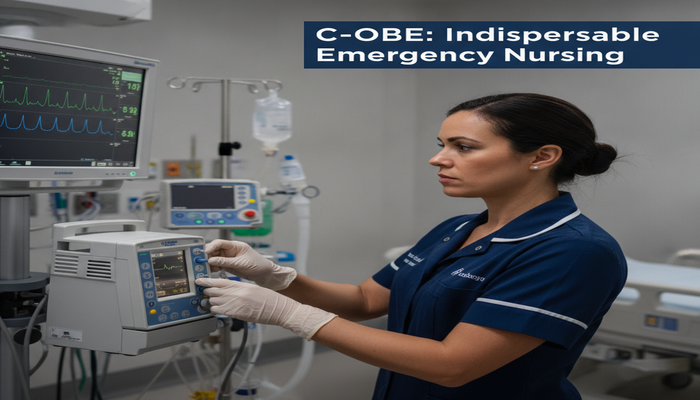
In the high-stakes world of maternal and neonatal care, moments can change lives. Obstetric emergency nursing demands not just skill and compassion, but a profound depth of knowledge and rapid decision-making under immense pressure. For nurses who rise to this challenge, the desire to excel and provide the absolute best care is paramount. This is where specialized certification becomes a beacon of distinction, transforming dedicated professionals into indispensable assets.
The National Certification Corporation (NCC) offers the highly respected Certified-Obstetric Emergencies (C-OBE) subspecialty certification. This credential isn't merely a badge; it's a testament to a nurse's advanced expertise in navigating the most critical and time-sensitive situations in obstetrics. If you're a nurse committed to mastering the intricacies of obstetric emergencies, enhancing patient safety, and advancing your career, the C-OBE certification is your definitive path to becoming an indispensable leader in this vital field.
The Critical Imperative of Obstetric Emergency Nursing
Obstetric emergency nursing is a specialty characterized by its unpredictability and the urgent need for expert intervention. From the onset of a life-threatening complication to the stabilization of both mother and neonate, every second counts. Nurses in this field are often the first line of defense, responsible for initial assessment, implementing emergent protocols, and coordinating rapid responses from a multidisciplinary team. The consequences of even minor delays or misjudgments can be profound, making a deep, evidence-based understanding of obstetric emergencies not just beneficial, but absolutely essential.
Understanding the High Stakes Environment
The labor and delivery unit, emergency department, or critical care setting where obstetric emergencies unfold is an environment demanding constant vigilance. Nurses must be adept at recognizing subtle cues that herald a rapidly deteriorating condition. They must possess the clinical acumen to differentiate between normal physiological changes and pathological processes that threaten maternal or fetal well-being. This requires a comprehensive grasp of pathophysiology, pharmacology, and advanced nursing interventions specific to obstetrics.
The Scope of Obstetric Emergencies
Obstetric emergencies encompass a wide range of conditions, each presenting its unique challenges. These can include, but are not limited to:
- Postpartum hemorrhage (PPH)
- Eclampsia and severe preeclampsia
- Placental abruption
- Uterine rupture
- Shoulder dystocia
- Cord prolapse
- Amniotic fluid embolism
- Maternal cardiac arrest
- Sepsis in pregnancy
- Neonatal resuscitation following a complicated birth
Each scenario demands a rapid, systematic approach, often involving complex nursing interventions such as administering life-saving medications, assisting with emergency procedures, monitoring vital signs meticulously, and providing psychological support to patients and their families. The ability to manage these critical events with composure and competence directly impacts patient outcomes, underscoring the vital role of specialized training and certification.
Who Should Pursue the NCC C-OBE Certification?
The NCC Certified-Obstetric Emergencies (C-OBE) credential is a subspecialty certification designed for experienced registered nurses who are deeply involved in the care of obstetric patients experiencing or at risk of emergencies. It's an investment in your expertise and a declaration of your commitment to excellence in a highly specialized area of nursing.
Ideal Candidates for C-OBE Certification
This certification is particularly well-suited for:
- Labor and Delivery Nurses: Those who regularly encounter and manage critical situations on their units, from abruptions to postpartum hemorrhages.
- Emergency Department Nurses: RNs in the ED who are responsible for the initial stabilization and management of pregnant patients presenting with acute obstetric complications.
- Critical Care Nurses: Nurses in ICU or critical care settings who care for obstetric patients requiring intensive monitoring and intervention.
- Maternal Transport Nurses: Professionals involved in the safe transfer of high-risk obstetric patients, requiring advanced skills to manage potential emergencies during transit.
- Clinical Educators and Managers: Nurses who educate others or lead units where obstetric emergencies are managed, needing to demonstrate the highest level of expertise.
- Experienced RNs Seeking Specialization: Nurses looking to formalize and validate their extensive practical experience in obstetric emergency scenarios.
If your daily practice involves the assessment, identification, management, and treatment of obstetric and postpartum emergencies, and you are dedicated to optimizing patient safety and outcomes, the C-OBE certification is designed precisely for you.
Eligibility Requirements for NCC C-OBE
To be eligible for the NCC C-OBE certification exam, candidates must meet specific criteria established by the National Certification Corporation:
- Hold a current, active, unrestricted Registered Nurse (RN) license in the United States or Canada.
- Possess a minimum of 2,000 hours of experience in obstetric emergency nursing practice within the last 24 months. These hours must be earned in a clinical setting that focuses on the assessment, identification, management, and treatment of obstetric and postpartum emergencies. This includes roles in labor and delivery, emergency departments, or critical care units with obstetric populations.
- Direct patient care experience is paramount. Activities such as teaching, research, or administrative roles, while valuable, do not count towards the required clinical hours unless they involve direct patient management in an emergency setting.
It is always recommended to visit the official NCC C-OBE details page to verify the most current and precise eligibility requirements before applying.
Why Become NCC Certified-Obstetric Emergencies (C-OBE)?
Attaining the NCC C-OBE certification signifies a superior level of competence and commitment in a critical nursing subspecialty. It offers a multitude of benefits, not only for the individual nurse but also for the patients they serve and the healthcare institutions where they practice.
Elevated Professional Recognition and Credibility
The C-OBE credential is a nationally recognized symbol of advanced expertise in obstetric emergency nursing. It distinguishes certified nurses as leaders in their field, earning respect from colleagues, physicians, and administrators. This recognition can open doors to new opportunities and leadership roles, establishing you as a go-to expert in crisis situations.
Enhanced Clinical Competence and Confidence
The rigorous preparation required for the C-OBE exam deepens a nurse's understanding of complex obstetric emergencies. It reinforces critical thinking skills, enhances diagnostic abilities, and sharpens intervention strategies. With this validated knowledge, certified nurses approach emergency scenarios with greater confidence, knowing they possess the skills to act decisively and effectively. This confidence directly translates to improved patient care and safety.
Improved Patient Outcomes and Safety
Ultimately, the core mission of healthcare is to deliver optimal patient outcomes. Nurses certified in obstetric emergencies are better equipped to identify subtle changes, intervene rapidly, and manage complex cases, significantly contributing to the reduction of maternal and neonatal morbidity and mortality. Their expertise ensures that patients receive the highest standard of care during their most vulnerable moments.
Significant Career Advancement Opportunities
Certification often serves as a catalyst for career growth. C-OBE certified nurses are highly sought after for roles such as clinical specialists, nurse educators, charge nurses, unit managers, and even positions in policy development or quality improvement. This specialization can also lead to increased earning potential and greater job security within the competitive healthcare landscape. For further insights into broader healthcare career outlooks, you can explore resources from the Bureau of Labor Statistics.
Contribution to Organizational Excellence
Healthcare facilities that employ C-OBE certified nurses benefit from a highly skilled workforce. These nurses contribute to a culture of safety, serve as mentors to less experienced staff, and help implement best practices that elevate the overall quality of care. Their presence can also positively impact a facility's accreditation and reputation for excellence in maternal-fetal care.
Understanding the NCC C-OBE Certification Exam
Preparing for any certification exam begins with a thorough understanding of its structure, content, and administrative details. The NCC Obstetric Emergencies (C-OBE) exam is a comprehensive assessment designed to validate a nurse's specialized knowledge in this challenging field.
Exam Overview and Key Details
- Vendor: National Certification Corporation (NCC). To learn more about the National Certification Corporation's mission and history, you can visit their Wikipedia page.
- Exam Code: C-OBE
- Exam Full Name: NCC Obstetric Emergencies
- Certification Full Name: NCC Certified-Obstetric Emergencies (C-OBE)
- Exam Category: Subspecialty Certification
- Exam Type: A - Clinical / Nursing / Allied Health
- Certification Validity: 3 Years
- Exam Price: $210 (composed of a $50 non-refundable application submission cost and a $160 testing fee).
- Duration: 120 minutes
- Number of Questions: 125 total questions, with 100 scored items and 25 pretest items (which do not count towards your score).
- Passing Score: The exam is graded on a pass/fail basis, with an approximate passing score of 72%.
Familiarizing yourself with these foundational details is the first step toward a successful preparation journey.
NCC C-OBE Exam Syllabus Breakdown
The C-OBE exam content is carefully structured to cover the critical domains of obstetric emergency nursing. A clear understanding of the syllabus percentages will help you allocate your study time effectively.
Assessment and Prevention - 20%
This section focuses on the foundational skills required to identify potential emergencies before they escalate. Key areas include:
- Comprehensive maternal and fetal assessment techniques.
- Risk factor identification for various obstetric emergencies.
- Early warning signs and symptoms of impending complications.
- Preventative strategies and patient education.
- Interpretation of diagnostic tests and lab values relevant to emergency situations.
Identification, Management, and Treatment of Obstetric and Postpartum Emergencies - 75%
This is the largest and most critical section of the exam, encompassing the practical application of knowledge in real-time scenarios. It covers a broad spectrum of emergencies, including but not limited to:
- Hemorrhagic Emergencies: Postpartum hemorrhage (atony, retained placenta, trauma, coagulopathy), placental abruption, placenta previa, vasa previa, uterine rupture. Management includes uterotonic agents, fluid resuscitation, blood product administration, Bimanual compression, balloon tamponade, and preparations for surgical interventions.
- Hypertensive Disorders: Preeclampsia with severe features, eclampsia, HELLP syndrome. Management includes magnesium sulfate therapy, antihypertensive medications, seizure precautions, fluid management, and timely delivery considerations.
- Infectious Processes: Sepsis in pregnancy, chorioamnionitis, pyelonephritis. Management includes antibiotics, fluid resuscitation, hemodynamic monitoring, and source control.
- Cardiopulmonary Emergencies: Maternal cardiac arrest (CPR in pregnancy), amniotic fluid embolism, pulmonary embolism, acute respiratory distress. Management involves advanced cardiac life support adapted for pregnancy, oxygen therapy, mechanical ventilation, and specific interventions for the underlying cause.
- Trauma in Pregnancy: Motor vehicle accidents, domestic violence, falls. Management includes primary and secondary surveys, fetal monitoring, assessment for placental abruption or uterine rupture, and collaborative care with trauma teams.
- Fetal Emergencies: Cord prolapse, shoulder dystocia, non-reassuring fetal status. Management includes positioning, manual maneuvers, emergent delivery preparations, and neonatal resuscitation.
- Other Obstetric Emergencies: Anaphylaxis, diabetic ketoacidosis, thyroid storm, substance abuse emergencies.
- Neonatal Resuscitation: Principles and practices of neonatal resuscitation, including initial steps, positive pressure ventilation, chest compressions, and medication administration, particularly in the context of an obstetric emergency affecting the neonate.
Professional Practice - 5%
This section addresses the ethical, legal, and professional responsibilities inherent in obstetric emergency nursing. Topics include:
- Ethical decision-making in high-stress situations.
- Legal implications of nursing practice in emergencies.
- Communication and teamwork within a multidisciplinary setting.
- Advocacy for patient and family.
- Quality improvement and evidence-based practice principles.
Understanding these percentages allows you to focus your study efforts where they will have the greatest impact, particularly on the extensive "Identification, Management, and Treatment" domain. Before delving into your study plan, it is highly recommended to access valuable C-OBE practice questions and sample exams to get a baseline understanding of the question format and your current knowledge gaps.
Strategizing Your NCC C-OBE Exam Preparation
Passing the NCC C-OBE certification exam requires a structured and disciplined approach. Given the breadth and depth of the content, especially in obstetric emergency nursing, a well-thought-out study plan is crucial. Here's a comprehensive guide to help you prepare effectively.
Crafting Your NCC Obstetric Emergencies Study Guide
The first step is to create a personalized study guide. Break down the NCC syllabus into manageable topics and subtopics. For each area, identify key concepts, common emergency presentations, nursing interventions, and expected outcomes. Your study guide should be a living document, evolving as you progress through your preparation.
- Prioritize High-Yield Content: Focus heavily on the 75% portion of the exam covering Identification, Management, and Treatment of Obstetric and Postpartum Emergencies. This is where the majority of your points will come from.
- Concept Mapping: Use concept maps to connect related ideas, conditions, and interventions. For example, map out the causes, signs, symptoms, nursing actions, and medical treatments for postpartum hemorrhage.
- Scenario-Based Learning: Since the exam is clinical, practice applying your knowledge to real-life scenarios. Think about how you would react to a patient presenting with eclampsia or a cord prolapse.
Leveraging Recommended Training Materials
The NCC provides a list of highly respected textbooks and resources that form the foundation of obstetric emergency nursing knowledge. Integrating these into your study routine is indispensable:
- Baird, et al., AWHONN’s High-Risk & Critical Care Obstetrics, Wolters Kluwer, 2026: An essential resource for understanding complex obstetric conditions and critical care management.
- Cunningham, et al., Williams Obstetrics, McGraw Hill, 2022: A classic and comprehensive textbook covering all aspects of obstetrics, including detailed sections on complications and emergencies.
- Dobiesz, et al., Manual of Obstetric Emergencies, LWW, 2021: Provides practical, step-by-step guidance on managing various obstetric emergencies.
- Ferri, F.F., Ferri’s Clinical Advisor, Elsevier, 2025: A quick-reference tool for diagnoses, differential diagnoses, and treatment plans, useful for rapid information retrieval.
- Landon, et al., Gabbe’s Obstetrics Normal and Problem Pregnancies, Elsevier, 2025: Offers a detailed perspective on both normal and high-risk pregnancies, including emergency interventions.
- Lockwood, et al., Creasy and Resnik’s Maternal-Fetal Medicine, Elsevier, 2023: In-depth coverage of complex maternal-fetal conditions and their management.
- Martin, et al., Fanaroff and Martin’s Neonatal-Perinatal Medicine, Elsevier, 2025: Crucial for understanding neonatal outcomes and the necessity of effective neonatal resuscitation in obstetric emergencies.
- Pacheco, L.D., Critical Care Obstetrics, Wiley-Blackwell, 2024: Focuses specifically on the critical care aspects of obstetric management.
- Papadakis, et al., Current Medical Diagnosis and Treatment, McGraw Hill, 2024: A broad medical reference that can provide context for systemic conditions impacting pregnancy.
- Simpson, et al., AWHONN’s Perinatal Nursing, Wolters Kluwer, 2021: A key text for overall perinatal nursing practice, including emergency preparedness.
These texts offer the depth required to master the exam content. Don't feel you need to read every word; instead, use them as reference points to clarify complex topics and reinforce your understanding.
The Power of C-OBE Practice Questions and Review Courses
Beyond theoretical knowledge, success on the C-OBE exam hinges on your ability to apply that knowledge under timed conditions. Integrating practice questions and potentially a review course into your strategy is highly effective.
Utilizing C-OBE Practice Questions
Regularly engaging with C-OBE practice questions helps you:
- Familiarize Yourself with Exam Format: Understand the types of questions asked (e.g., multiple-choice, scenario-based) and the level of detail expected.
- Identify Knowledge Gaps: Incorrect answers highlight areas where your understanding is weak, allowing you to revisit those topics.
- Improve Time Management: Practice answering questions within the allocated time to build endurance and pacing for the actual exam.
- Simulate Exam Conditions: Take full-length practice exams to replicate the pressure and environment of the C-OBE.
Benefits of an NCC C-OBE Review Course
While not mandatory, an NCC C-OBE review course can provide structured learning, expert guidance, and a consolidated approach to preparation. These courses often include:
- Lectures covering key syllabus topics.
- Study materials and handouts.
- Practice questions and mock exams.
- Opportunities for peer interaction and discussion.
- Tips and strategies for test-taking.
Look for review courses offered by reputable organizations or individuals with extensive experience in obstetric emergency nursing and NCC certifications.
Effective Study Techniques and Time Management
Given the demands of nursing and personal life, efficient study techniques are essential:
- Create a Realistic Study Schedule: Allocate dedicated time slots for studying each week and stick to them. Be realistic about what you can achieve.
- Active Recall: Instead of passively rereading, actively test yourself. Flashcards, self-quizzing, and teaching concepts to others are excellent methods.
- Spaced Repetition: Review material at increasing intervals to move information from short-term to long-term memory.
- Focus on Application: The C-OBE exam is clinical. Always ask yourself, "How would I apply this knowledge in a patient emergency?" This aligns with secondary keywords like `managing obstetric emergencies for nurses` and `nursing interventions for obstetric emergencies`.
Deep Dive into Key Areas of Obstetric Emergency Nursing
To truly become indispensable, a deep understanding of core emergency scenarios is paramount. Your study should intensely focus on these critical components:
- Postpartum Hemorrhage Management Nursing: Understand the 4 T's (Tone, Tissue, Trauma, Thrombin), the role of uterotonic medications (Oxytocin, Methylergonovine, Carboprost, Misoprostol), fundal massage techniques, fluid resuscitation, blood product administration, and recognizing when advanced interventions (balloon tamponade, surgical consultation) are necessary.
- Eclampsia Management for Nurses: Master the signs and symptoms of severe preeclampsia and eclampsia, the critical administration and monitoring of magnesium sulfate (including toxicity signs and antidote), blood pressure management with appropriate antihypertensives, seizure precautions, and the timing of delivery.
- Neonatal Resuscitation in Obstetric Emergencies: Be proficient in the Neonatal Resuscitation Program (NRP) guidelines, including initial steps, positive pressure ventilation, chest compressions, intubation assistance, and medication administration. Understand the decision tree and team dynamics during a neonatal code.
- Critical Care in Obstetric Emergencies: This involves applying critical care principles to the pregnant patient. Topics include advanced hemodynamic monitoring, ventilator management, sepsis protocols tailored for obstetrics, disseminated intravascular coagulation (DIC) recognition and management, and fluid and electrolyte balance in critically ill mothers.
- Nursing Interventions for Obstetric Emergencies: Beyond specific conditions, focus on the broader range of interventions: rapid assessment (ABCDE), establishing IV access, Foley catheter insertion, oxygen administration, patient positioning for optimal perfusion, preparing for emergency C-sections, and effective communication with the interdisciplinary team.
For more detailed strategies and expert tips for your C-OBE study guide, consider exploring advanced resources like this dedicated guide.
Maximizing Your Impact as a Certified Obstetric Emergency Nurse
Attaining your NCC Certified-Obstetric Emergencies (C-OBE) certification is a significant achievement, but it's only the beginning. The true value lies in how you leverage this expertise to enhance patient care, influence your team, and continue your professional growth.
Applying Knowledge in Real-World Scenarios
Your certification validates your deep understanding, but continuous application and refinement of skills are key. Proactively seek opportunities to:
- Lead Emergency Drills: Volunteer to participate in or lead mock drills for obstetric emergencies within your unit. This sharpens team response and identifies areas for improvement.
- Mentor Junior Staff: Share your expertise by guiding new nurses or those less familiar with obstetric emergencies. Your experience can be invaluable in building a stronger, more prepared team.
- Serve as a Resource: Position yourself as the go-to expert for complex obstetric emergency cases. Provide evidence-based insights and support during critical situations.
Leadership and Mentorship Opportunities
The C-OBE credential often opens doors to formal and informal leadership roles. You might find yourself:
- Becoming a Charge Nurse or Clinical Educator: Directly influencing patient care and educational initiatives on your unit.
- Participating in Policy Development: Contributing to the creation or revision of unit protocols and hospital policies related to obstetric emergencies, ensuring they are evidence-based and effective.
- Leading Quality Improvement Initiatives: Identifying areas where patient outcomes can be improved in emergency situations and spearheading projects to implement positive changes.
Advocacy for Patient Safety
Certified nurses are uniquely positioned to advocate for patient safety. With your advanced knowledge, you can:
- Champion Best Practices: Ensure that your unit adheres to the latest guidelines and evidence-based practices for managing obstetric emergencies.
- Identify Systemic Issues: Recognize potential gaps in resources, training, or communication that could compromise patient safety during emergencies and work towards solutions.
- Educate Patients and Families: Empower patients with knowledge about their conditions and what to expect during an emergency, fostering trust and cooperation.
Continuous Professional Development and Recertification
The field of obstetric emergency nursing is constantly evolving. Your C-OBE certification is valid for 3 years, necessitating ongoing learning and engagement to maintain it. This commitment to lifelong learning ensures your skills remain sharp and your knowledge current.
- Attend Conferences and Workshops: Stay updated on the latest research, technologies, and treatment modalities in obstetric emergencies.
- Engage in Continuing Education Units (CEUs): NCC requires specific CEU hours related to your specialty for recertification.
- Read Peer-Reviewed Journals: Regularly review current literature to integrate new evidence into your practice.
By actively pursuing these avenues, you not only maintain your certification but continuously enhance your value as an indispensable obstetric emergency nurse.
Conclusion
Becoming an indispensable force in obstetric emergency nursing is a journey of unwavering dedication, continuous learning, and a profound commitment to saving lives. The NCC Certified-Obstetric Emergencies (C-OBE) certification stands as a powerful testament to a nurse's specialized expertise, elevating their professional stature and directly impacting the safety and well-being of mothers and newborns during their most vulnerable moments.
This certification is more than an accomplishment; it's a strategic career move that offers unparalleled professional recognition, boosts clinical confidence, and unlocks numerous opportunities for leadership and advancement. By mastering the complexities of obstetric emergencies, you not only validate your skills but also contribute significantly to the advancement of maternal-fetal care.
If you are a nurse working at the front lines of obstetric emergencies, passionate about providing the highest standard of care, the C-OBE certification is your next vital step. Prepare diligently, embrace the challenge, and join an elite group of professionals who are truly indispensable in the world of obstetric emergency nursing. Ready to take control of your study journey and start unlocking C-OBE success? Visit this comprehensive resource to guide your path.
Register for your NCC C-OBE exam today and solidify your role as an expert in obstetric emergency nursing. Take the leap towards becoming an even more pivotal member of your healthcare team by scheduling your exam through the National Certification Corporation (NCC) registration page.
Frequently Asked Questions (FAQs)
1. What is the NCC C-OBE certification?
The NCC C-OBE (Certified-Obstetric Emergencies) is a subspecialty certification offered by the National Certification Corporation (NCC). It validates an experienced registered nurse's advanced knowledge and expertise in managing obstetric and postpartum emergencies.
2. How long is the NCC C-OBE certification valid?
The NCC C-OBE certification is valid for a period of 3 years. Nurses are required to meet specific continuing education requirements and apply for recertification to maintain their credential.
3. What are the main content areas covered in the C-OBE exam syllabus?
The C-OBE exam syllabus primarily focuses on three areas: Assessment and Prevention (20%), Identification, Management, and Treatment of Obstetric and Postpartum Emergencies (75%), and Professional Practice (5%). The largest portion emphasizes practical management of emergencies.
4. What are the eligibility requirements to take the NCC C-OBE exam?
Candidates must hold a current, active, unrestricted RN license and have a minimum of 2,000 hours of experience in obstetric emergency nursing practice within the last 24 months. These hours must be earned in a clinical setting focusing on relevant emergency care.
5. What are the benefits of achieving NCC C-OBE certification?
Benefits include enhanced professional recognition, increased clinical competence and confidence, improved patient outcomes, greater career advancement opportunities, and the ability to contribute to organizational excellence in maternal-fetal care.


Comments
Post a Comment